Emergency Water Removal in Mukilteo
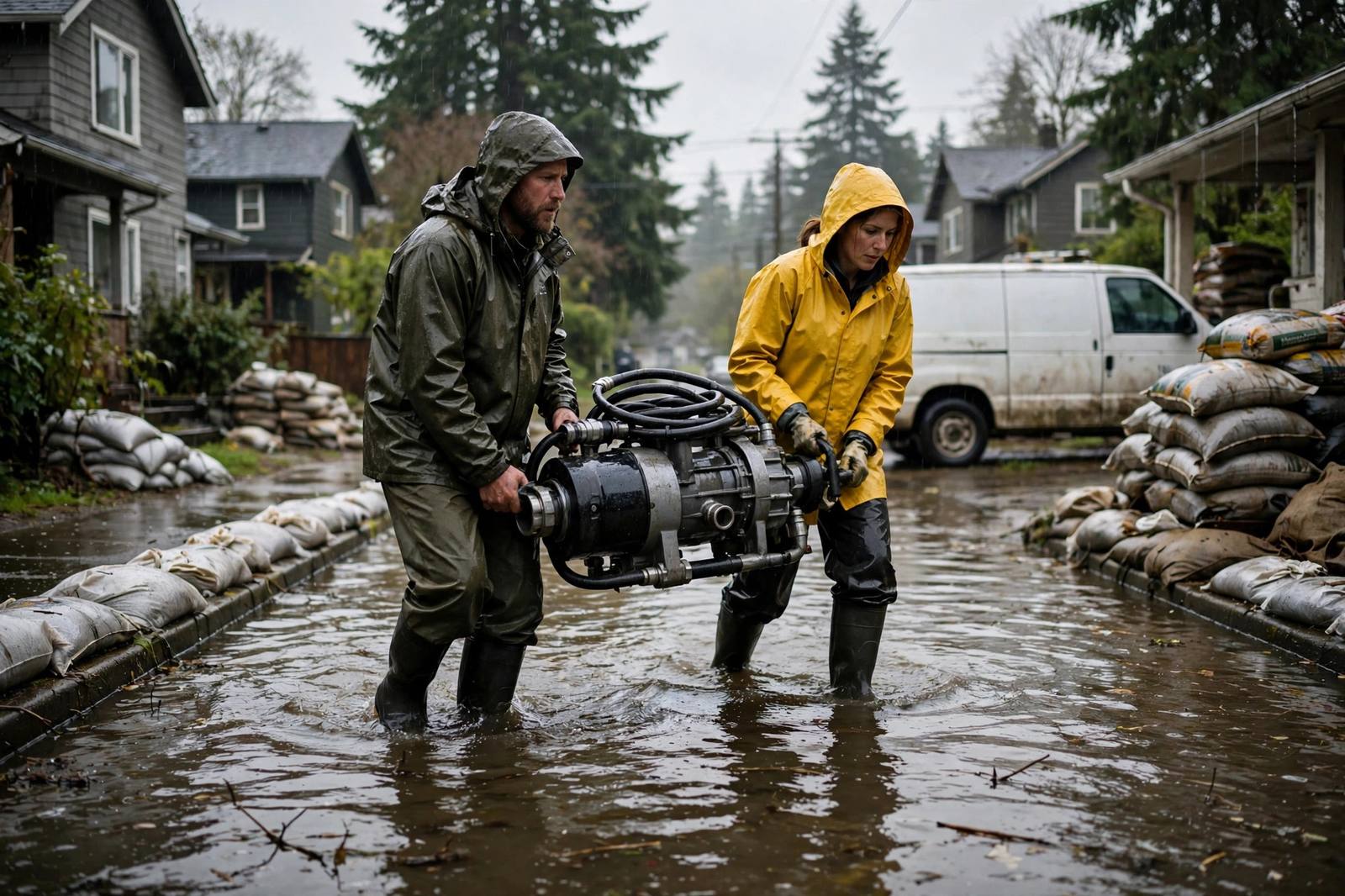
Pumps and truck-mounted extractors clear standing water before it soaks deeper into drywall and subfloors.
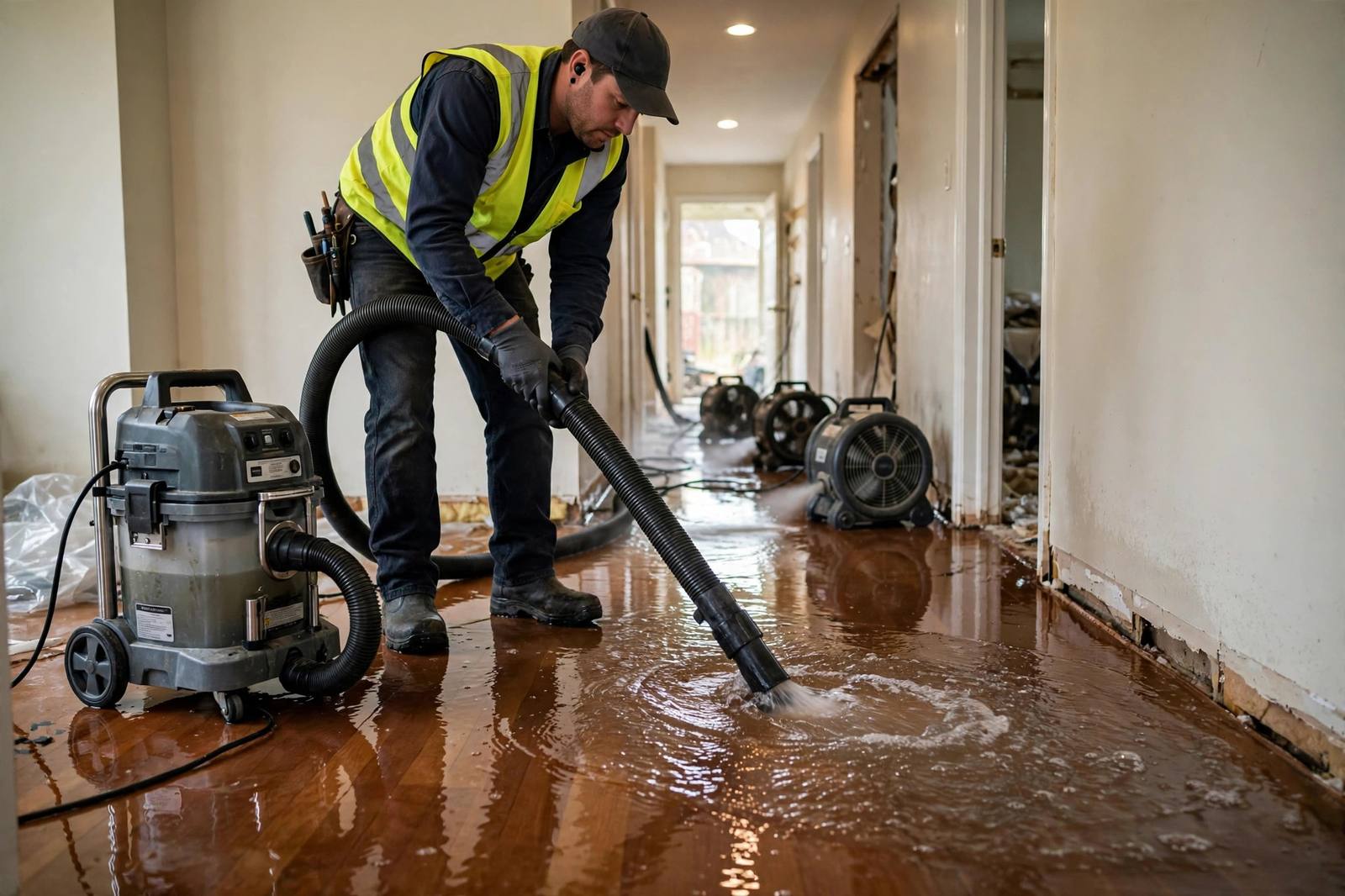
A burst pipe, a flooded daylight basement, or water coming down a hillside wall? Call now. We answer live and dispatch a licensed, IICRC-certified crew to your home immediately, 24 hours a day. They remove the water, dry the structure, and repair the damage.
Send the details and a real person will call you back quickly. If water is actively coming in, call (425) 845-0289 right now instead.
What happened, where, and we will call you back fast.
Thanks. We will call you back shortly. If water is still coming in, call (425) 845-0289 right now.
Water damage restoration in Mukilteo means removing the water, drying the building to a measured standard, cleaning what it touched, and repairing what it ruined. The first 24 to 48 hours matter most, because the EPA advises drying wet materials inside that window before mold can start.
We are minutes away by the Mukilteo Speedway and Highway 526, so crews reach Old Town, Harbour Pointe, and the Paine Field side fast. Every job follows ANSI/IICRC S500, the industry standard, and ends with documented moisture readings.
Mukilteo is built on a bluff that drops to Puget Sound, so water and gravity work against the houses here.
Homes stepped into the slope take groundwater through the uphill foundation wall after days of rain.
The lower level built into the hill is where most water shows first.
Big waterfront and view homes have more bathrooms, more plumbing runs, and more that can fail.
Many homes here date from the 1980s and 1990s and may have polybutylene supply lines, known to fail without warning.
West-facing walls, windows, and decks take the weather first.
Japanese Gulch and the wooded ravines carry heavy runoff that saturates nearby ground.
On a sloped lot, one or more walls are buried in the hillside. After sustained rain the soil behind those walls is saturated, and the water pressure, called hydrostatic pressure, pushes moisture through hairline cracks, the joint where the wall meets the floor, and around pipe penetrations.
The signs are a damp line along the base of the uphill wall, white mineral deposits on the concrete, wet carpet edges, and a musty smell in the lower level. We extract the water and dry the walls and slab, then tell you what a drainage specialist needs to fix outside, usually footing drains, grading, and downspouts that carry water past the house.
Pumps and truck-mounted extractors clear standing water before it soaks deeper into drywall and subfloors.
Extraction, removal of wet pad and drywall, and drying of walls and slab in lower-level and daylight basements.
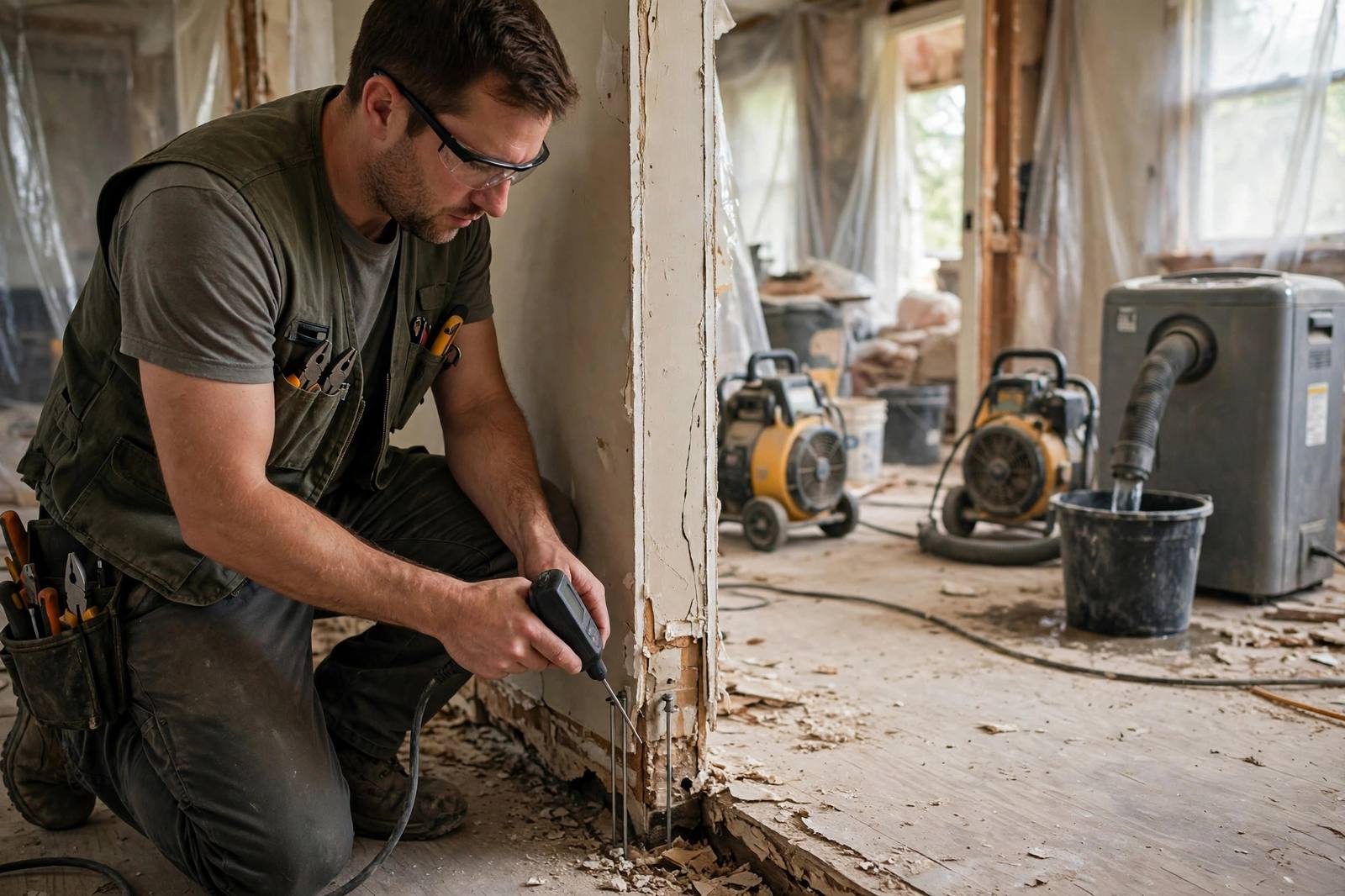
Shut-off guidance by phone, extraction, and drying of wall cavities after a pipe or water heater fails.
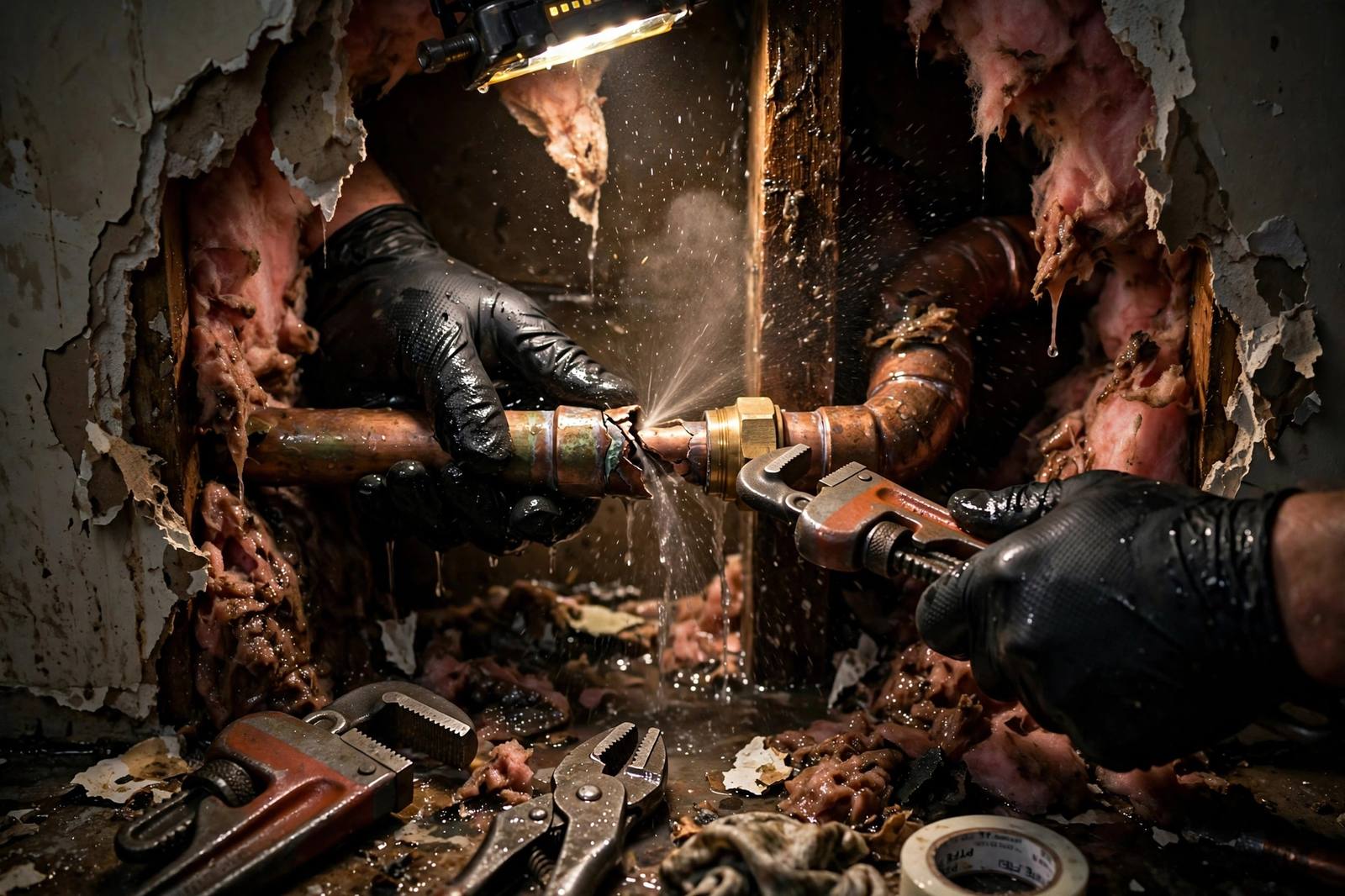
Standing water pumped out, wet insulation removed, framing dried and checked.
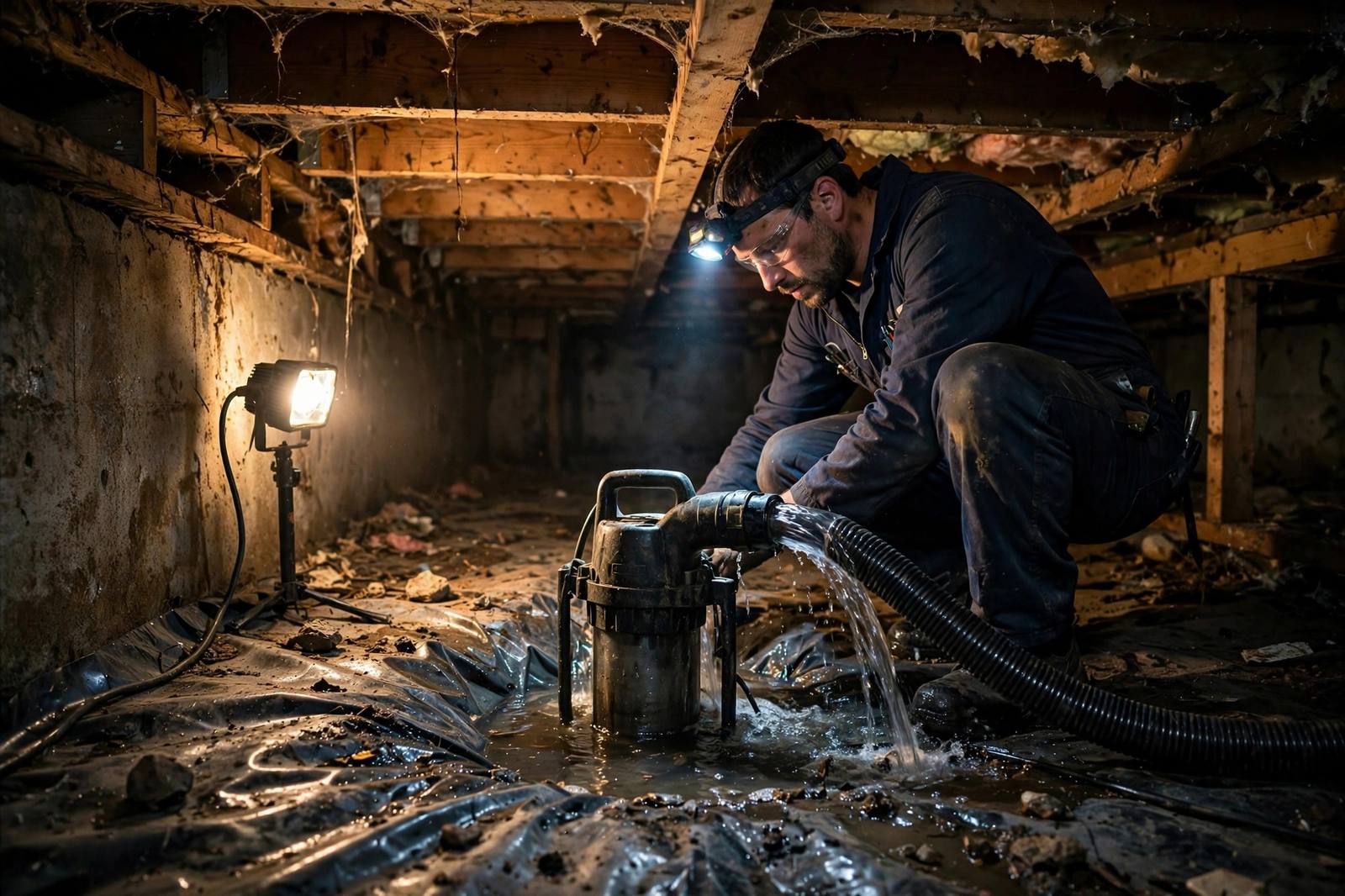
Storm and hillside runoff treated as contaminated, with removal, disinfection, and full drying.
Contaminated water removed safely and every remaining surface disinfected.

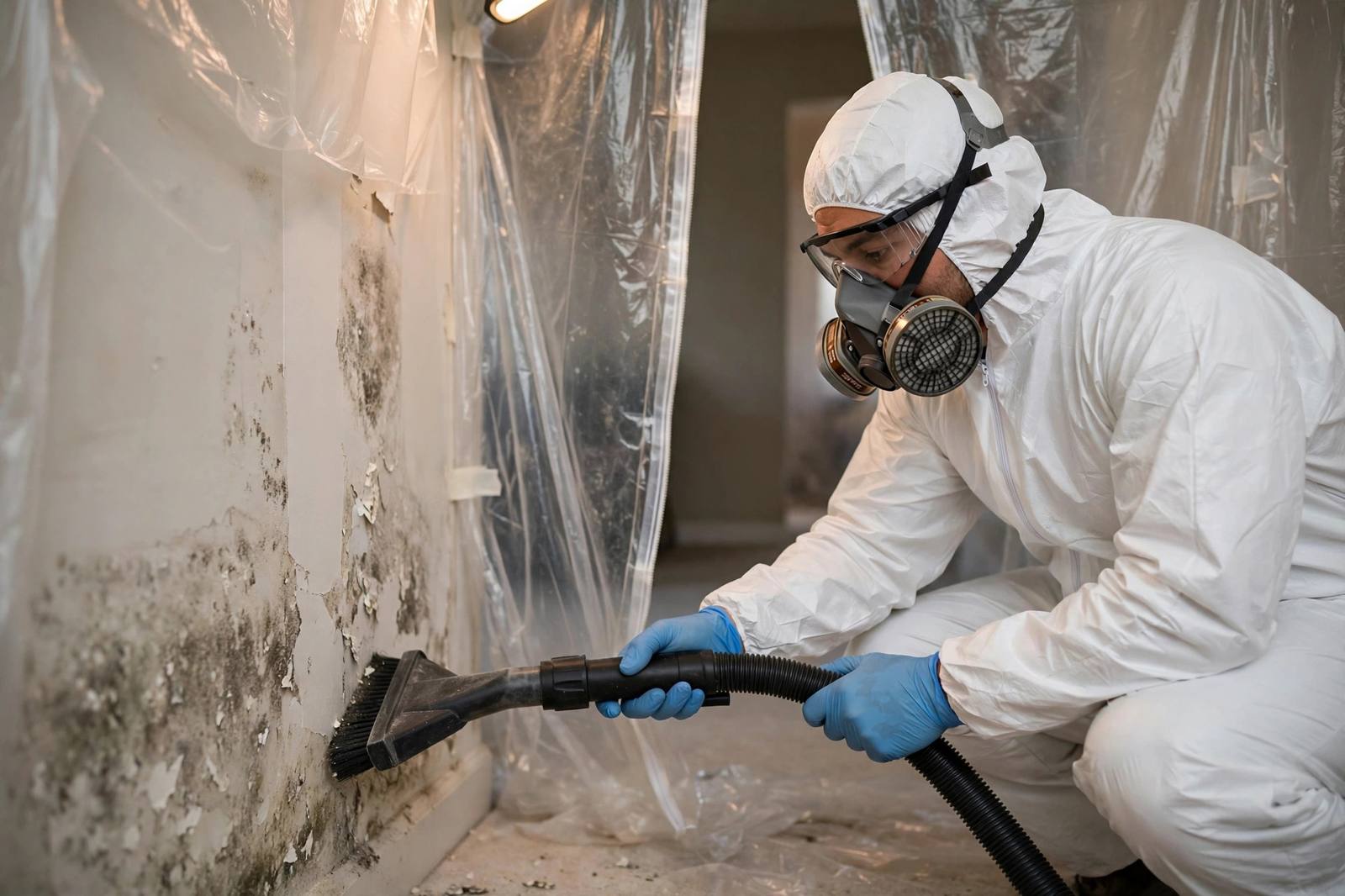
Containment, HEPA filtration, removal, and repair of the moisture source.
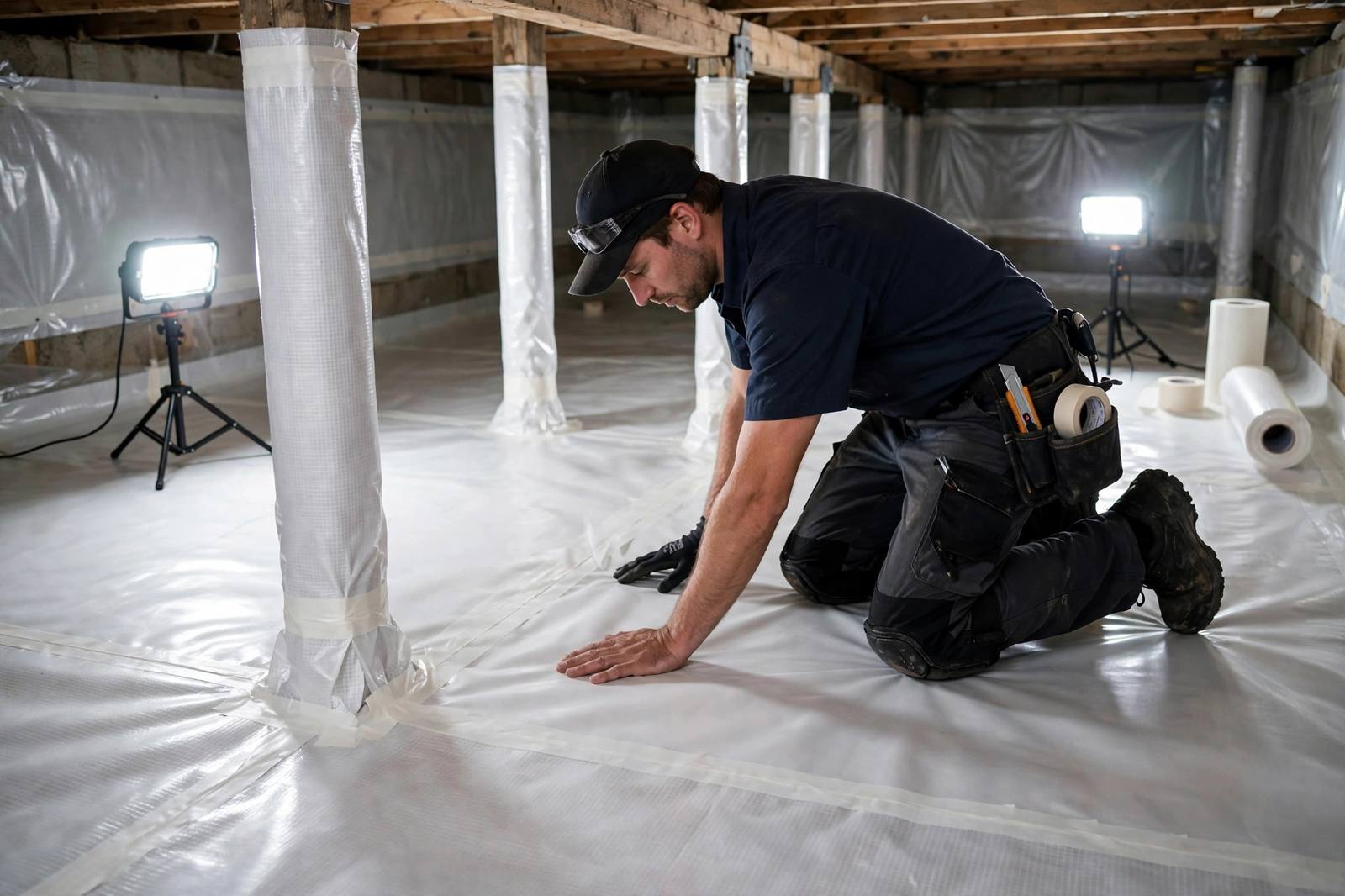
Drywall, insulation, flooring, and paint put back once the structure is dry.
A person answers and sends a crew immediately.
Moisture meters and thermal imaging find water inside walls, ceilings, and floors.
Standing water comes out first.
Air movers and dehumidifiers run about three to five days, with readings checked throughout.
Surfaces are cleaned and treated where needed.
Damaged materials are replaced.
A bigger house is not just more square footage, it is more plumbing and more places for water to travel unseen. A leak on an upper floor of a view home can run down two levels through walls and ceilings before anyone notices. We map the full path with thermal imaging, set enough equipment to dry every affected level at once, and protect finishes like hardwood, custom cabinetry, and trim wherever they can be saved. You get a written scope covering every room involved.
| Phase | Typical time |
|---|---|
| Extraction | Hours to about a day |
| Removing wet materials | About a day |
| Structural drying | About 3 to 5 days, longer for multi-level homes |
| Repairs | Depends on scope |
Cost depends on how much area is wet, how many levels the water reached, how clean or contaminated it is, and how much material must be removed. A hillside basement that took on groundwater over a weekend costs more than a leak caught in the first hour. You get a written scope and estimate after inspection, before work starts.
Most homeowners policies cover sudden and accidental damage, such as a burst pipe or failed water heater. They usually do not cover gradual leaks, groundwater through a foundation wall, or outside flooding, which needs separate flood insurance. Sewer backup usually needs its own endorsement. We document the loss and work with your adjuster directly.
We serve the whole city, about 21,000 people in southwest Snohomish County, across ZIP codes 98275 and parts of 98204.
Neighborhoods: Old Town Mukilteo near the ferry and lighthouse, Harbour Pointe, Picnic Point, the Mukilteo Speedway corridor, Chennault Beach, and the areas near Paine Field and Boeing.
Nearby: Everett, Lynnwood, Edmonds, Martha Lake, and Mill Creek.
Immediately. Calls are answered live 24 hours a day, and a crew is dispatched the moment you call.
Standing water is usually out within hours. Drying takes about three to five days after that, longer in multi-level homes.
Yes. We remove the water and dry the walls and slab, then tell you what drainage work the hillside needs so it stops coming back.
Yes. We scale the crew and equipment to the house and dry every affected level at once.
Wind-driven rain is the main issue. It drives moisture into west-facing walls, windows, and decks over time.
Mold can begin on wet materials within 24 to 48 hours.
Yes. Crews are licensed Washington contractors with IICRC-certified technicians.
24/7 water damage restoration in Mukilteo, WA. Crews dispatched immediately.