Crawl Space Water Extraction in Lynnwood, WA
Standing water under your Lynnwood home rots joists and breeds mold fast. Do not enter if wiring is near the water. Our crew pumps in controlled stages and dries the structure to safe moisture levels.
- Emergency calls answered right away
- Moisture meters verify every dry-out
- A written scope before work starts
Tell Us What Happened. We Will Call You Back Fast.
Send the details below and a real person will call you back quickly. If water is actively coming in, call (425) 845-0289 right now instead.
Or tell us what happened
Crawl space or basement? How deep? Send the details and we will call you back fast.
Request received
Thanks. We will call you back shortly. If water is still coming in, call (425) 845-0289 right now.
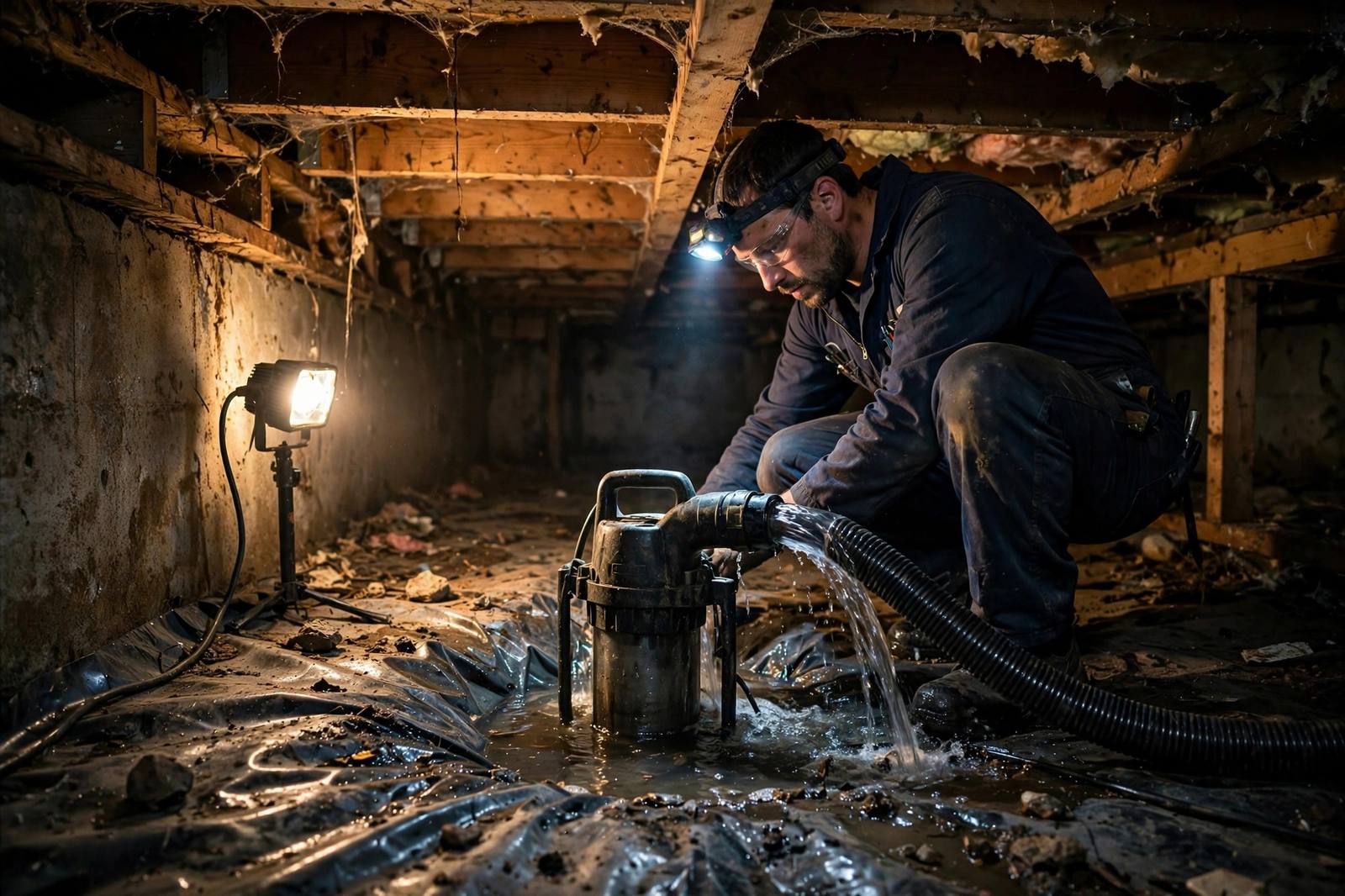
Most Lynnwood homes sit over a crawl space, and Western Washington's long wet season pushes groundwater straight into them through saturated soil, failed sump pumps, and gutters that dump beside the foundation. From Mountlake Terrace to Mill Creek to Bothell, Snohomish County crawl spaces flood every winter. Crawl space water removal in Lynnwood, WA is our core work: we pump standing water in controlled stages, pull soaked insulation that will never dry, and run commercial dehumidifiers until wood moisture drops to safe levels.
A wet crawl space rots floor joists, breeds mold, and pushes musty air up into your living space through every gap in the floor. We check for wiring hazards before entering, treat any sewage intrusion as contaminated, and document moisture readings you can keep. If your crawl space smells musty or your floors feel soft, call right away. The longer water sits, the more it costs.
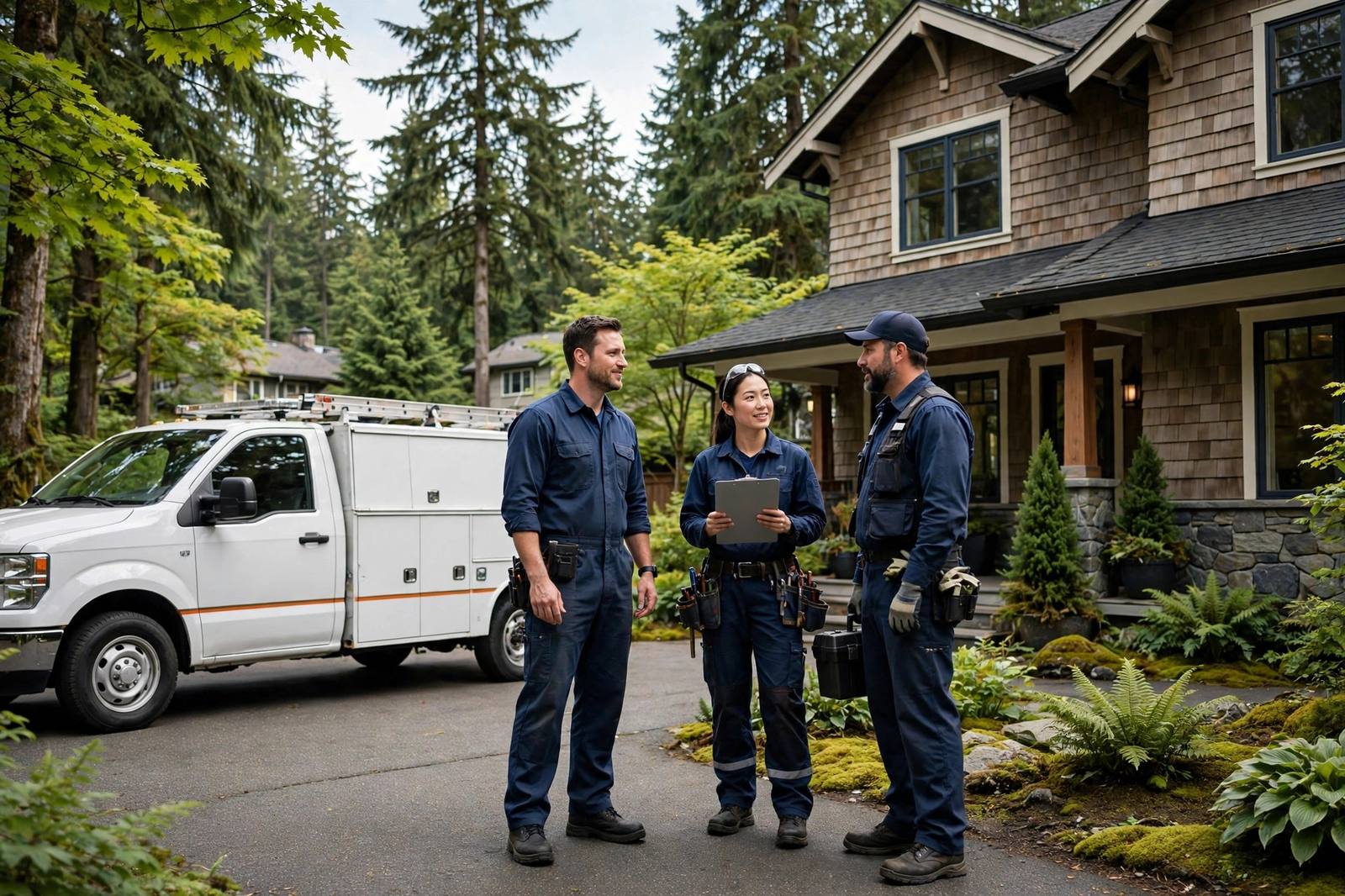
Crawl Space Flooding Lynnwood: Where the Water Comes From
There are four common sources: groundwater pushed through the foundation by saturated soil, a plumbing or water heater leak, an overflowing HVAC condensate line, and humid outside air entering a vented crawl space and condensing on cool surfaces. The damage is slow and out of sight, which is why it goes unnoticed. Joists and subfloor weaken, insulation sags and holds moisture, metal rusts, and mold grows on framing.
Standing Water in Crawl Space: What We Do
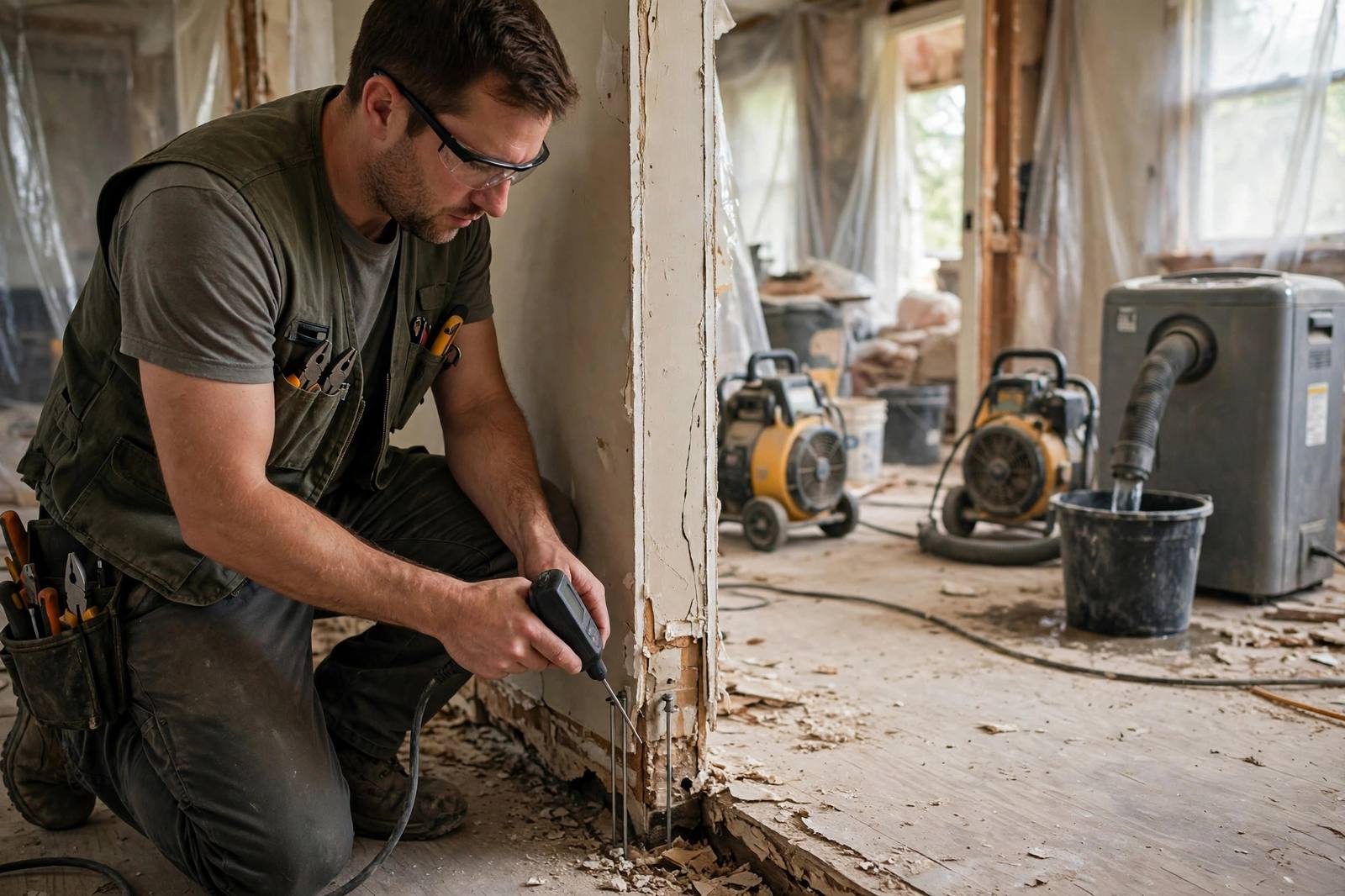
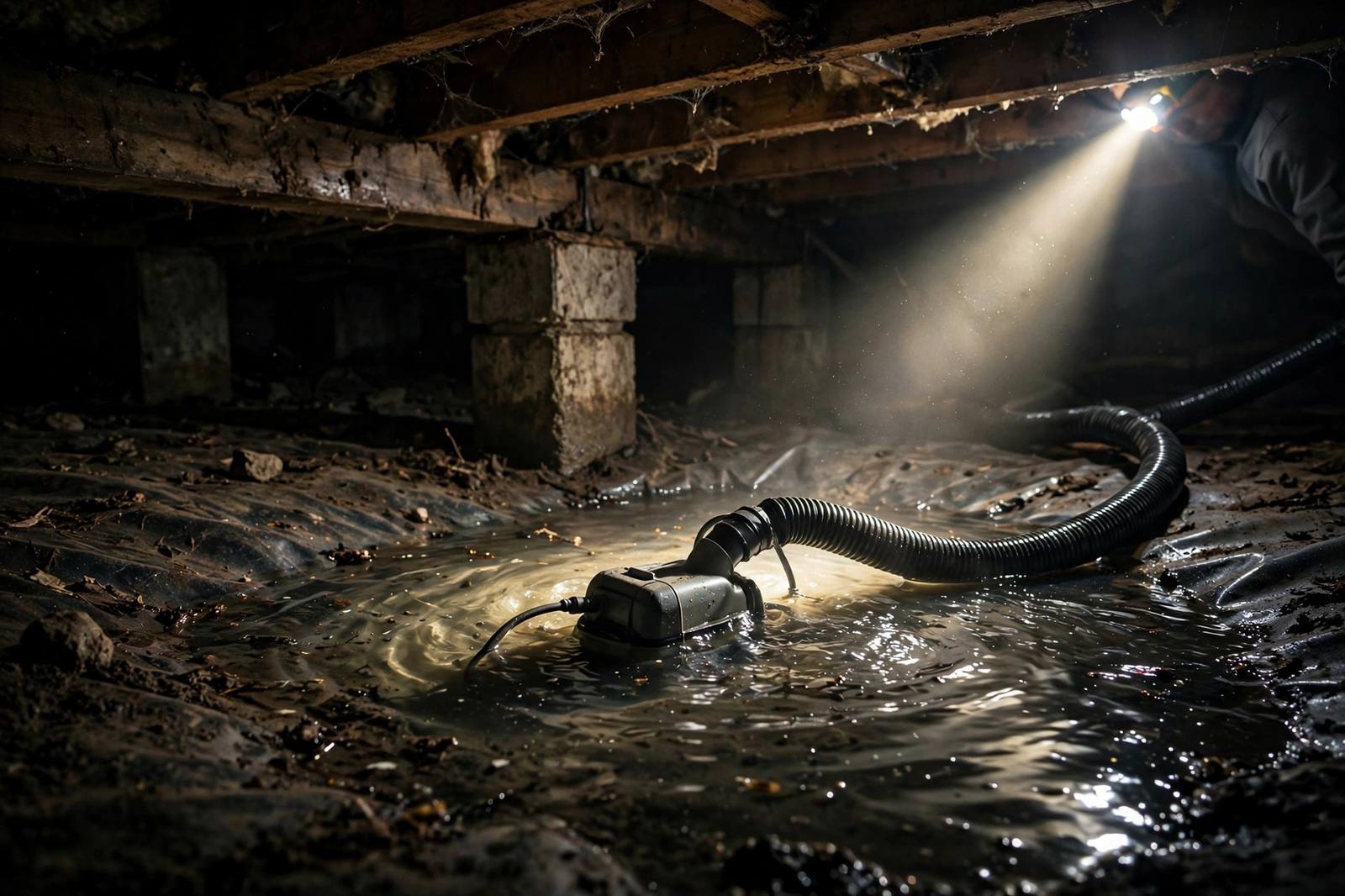
We shut off any plumbing source, pump out the water with submersible pumps, and take out wet insulation and ruined material. Then we dry the space and check the framing with moisture meters.
Wet Crawl Space Drying: Insulation, Joists, and Subfloor
Wet crawl space drying uses air movers and dehumidifiers matched to the space, with readings taken throughout. Typical professional drying takes about three to five days, and severe cases take longer. We keep going until the framing and subfloor reach their dry standard.
Sump Pump Failure Flooding: Causes and First Checks
Sump pumps tend to fail during the same storm that knocks out power. Common causes are a tripped breaker or GFCI, a stuck float switch, a clogged intake or discharge line, a failed check valve, an old pump that has lost capacity, or more water than the pump can move. If it is safe to reach the pit, check the plug, the GFCI, and the float. If water is near electrical equipment, don't go in.
What We Remove and What We Save
| Material | Typical outcome |
|---|---|
| Wet insulation under the floor | Removed and replaced |
| Wet carpet and pad in a basement | Pad usually removed; carpet depends on the water and how fast it was dried |
| Drywall that stayed wet or touched contaminated water | Removed |
| Concrete floors and block walls | Cleaned and dried |
| Wood joists and subfloor | Dried and treated when sound |
| Stored cardboard and paper | Usually discarded |
| Appliances and electronics | Not safe to use until a qualified technician checks them |
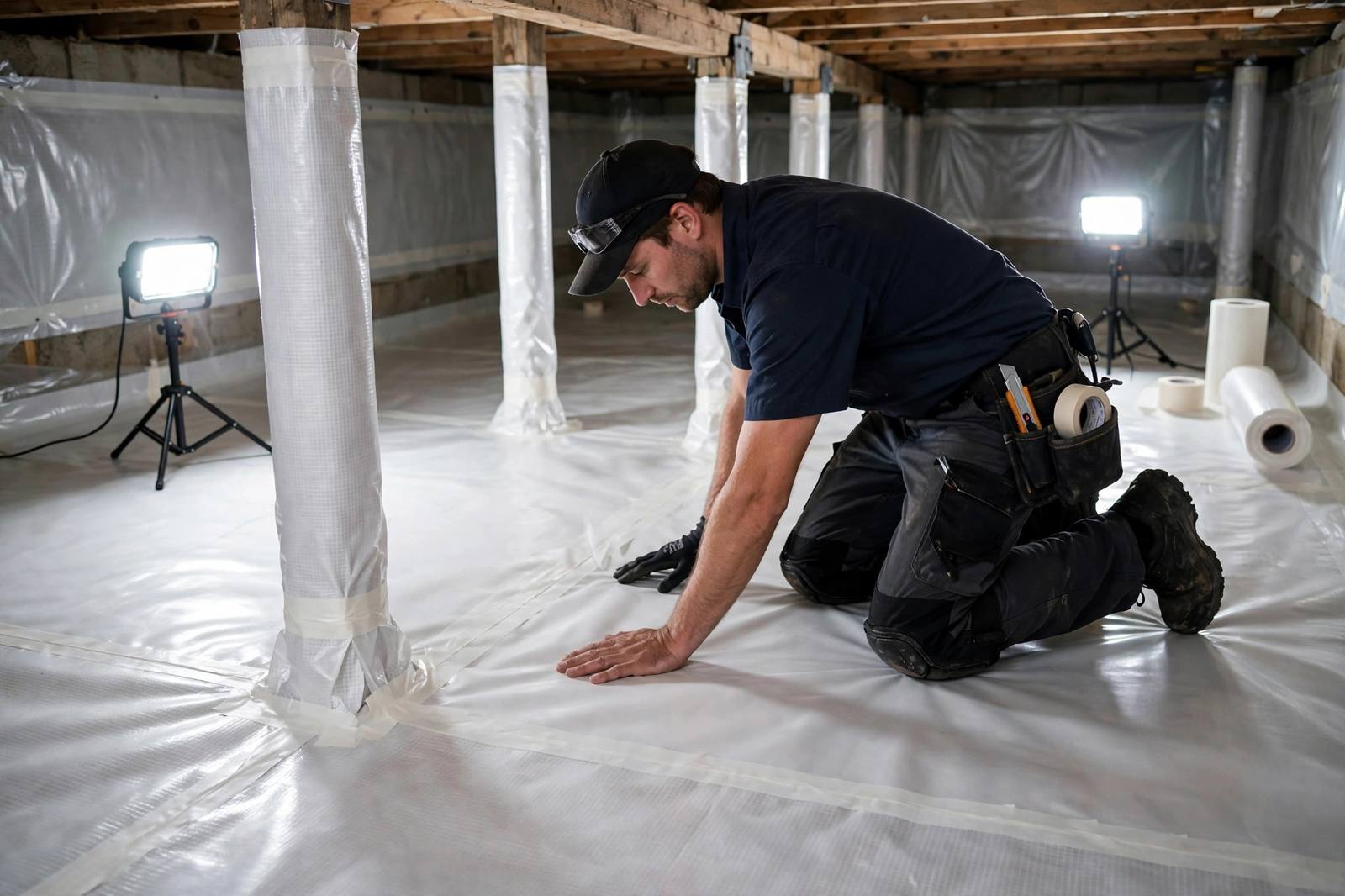
Hand-Off: Drainage, Vapor Barriers, and Encapsulation
We are a water and moisture restoration company, not a waterproofing contractor. Basement flooding Lynnwood homes see most often comes back unless the cause is fixed, and fixing it is a job for a drainage, waterproofing, or crawl space specialist: grading, gutters and downspouts, French drains, a sealed vapor barrier, or full encapsulation. We tell you what we found and what to ask them for.
Preventing the Next Flood
- A battery backup for the sump pump. Most sump pump failure flooding happens during the same storm that cuts the power.
- A yearly test. Pour water into the pit each fall to confirm the float starts the pump, and clear debris from the pit.
- A discharge line that carries water well away from the foundation.
- Clean gutters and extended downspouts so roof water doesn't pool beside the walls.
- Grading that slopes away from the house.
- Insulated, sealed crawl space openings so humid air and cold don't get in.
How Long It Takes
| Phase | Typical time |
|---|---|
| Pump-out | Hours to about a day |
| Removing wet materials | About a day |
| Structural drying | About 3 to 5 days, longer if severe |
| Repairs | Depends on scope |
Crawl Space and Basement FAQs
Not if there is standing water in crawl space areas near wiring or ducts, if the water might be contaminated, or if you can't see clearly. Call us first.
Not if the ground outside is still saturated. We remove water in stages and watch the level.
Typically about three to five days, longer for severe losses. We stop only when readings show the structure is dry.
Mold can begin growing on wet materials within 24 to 48 hours, which is why the EPA recommends drying within that window.
The usual causes are power loss, a stuck float, a clog, a failed check valve, an old pump, or more water than it can move. A battery backup covers the most common one.
No. We remove the water and dry the structure, and we tell you what a drainage or crawl space specialist should look at.
Call (425) 845-0289 and we'll walk you through what to document.
Wet Crawl Spaces Won't Wait.
Crawl space flooding Lynnwood homeowners can start fixing today: call (425) 845-0289. Emergency calls are answered right away.
(425) 845-0289