Emergency Water Removal in Mill Creek
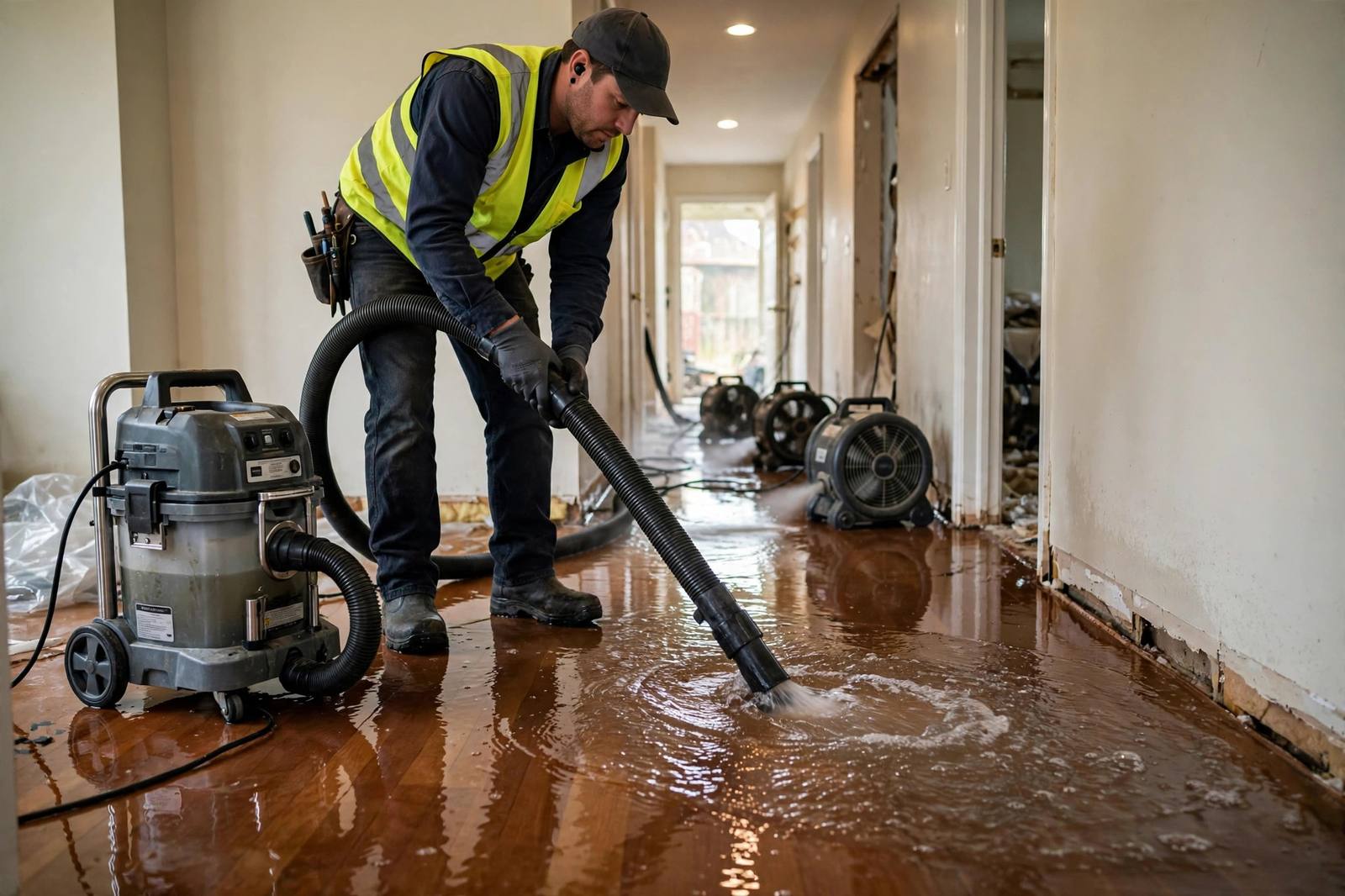
Pumps and extractors clear standing water on every floor it reached.
An upstairs bathroom leaking into the kitchen, a failed water heater, or hardwood starting to cup? Call now. We answer live and dispatch a licensed, IICRC-certified crew to your home immediately, 24 hours a day.
Send the details and a real person will call you back quickly. If water is actively coming in, call (425) 845-0289 right now instead.
What happened, where, and we will call you back fast.
Thanks. We will call you back shortly. If water is still coming in, call (425) 845-0289 right now.
Fast water damage restoration in Mill Creek is about what can still be saved. Hardwood, cabinets, and trim can often be dried in place if a crew starts within hours. Left a day or two, they warp and have to be replaced. The EPA also advises drying wet materials within 24 to 48 hours to keep mold from starting.
Our crews follow ANSI/IICRC S500 and document every reading. We reach Town Center and the Country Club neighborhoods in minutes by 164th Street SE and the Bothell-Everett Highway.
The city grew as a planned community from the 1970s on, with larger two-story homes, greenbelts, and ponds.
Upstairs bathrooms and laundry rooms leak down through ceilings into kitchens and living rooms.
Homes from the 1980s and early 1990s may have polybutylene pipe, known to fail without warning. Much of the burst pipe cleanup in Mill Creek traces back to it.
Refrigerator ice maker lines, dishwashers, and water heaters fail quietly and soak hardwood and cabinets.
North Creek and Penny Creek run through the city, and homes backing onto greenbelts see wet crawl spaces in long rain.
Vaulted ceilings and skylights give wind-driven rain a way in.
Often, yes, if drying starts quickly. What you see tells you how far it has gone:
| What you see | What it means | Usual outcome |
|---|---|---|
| Cupping, board edges higher than the center | Moisture coming up from below | Usually dried flat, then sanded and refinished |
| Crowning, center higher than the edges | Surface moisture, or a floor sanded while still wet | Dried, then refinished |
| Buckling, boards lifting off the subfloor | Severe, long exposure | Usually replaced |
| Dark staining or soft spots | Water sat for days | Affected boards replaced |
Crews use floor drying mats that pull moisture up through the boards, and they check the subfloor too. Do not sand a floor until moisture readings confirm it is dry.
The thin water line behind a refrigerator is one of the most common causes of kitchen damage. It leaks slowly, out of sight, for weeks.
The signs are flooring that lifts or darkens near the refrigerator, a musty smell in the kitchen, swollen cabinet bases, and a stain on the ceiling of the room below. Shut off the small valve on the line, usually under the sink or behind the unit, and call. Replacing a plastic line with braided steel prevents most of these.
It depends on what they are made of. Solid wood and plywood boxes can often be dried in place by removing the toe kicks and moving air underneath. Particleboard and MDF swell and crumble once they soak up water, and those are usually replaced. The sooner drying starts, the more of the kitchen stays.
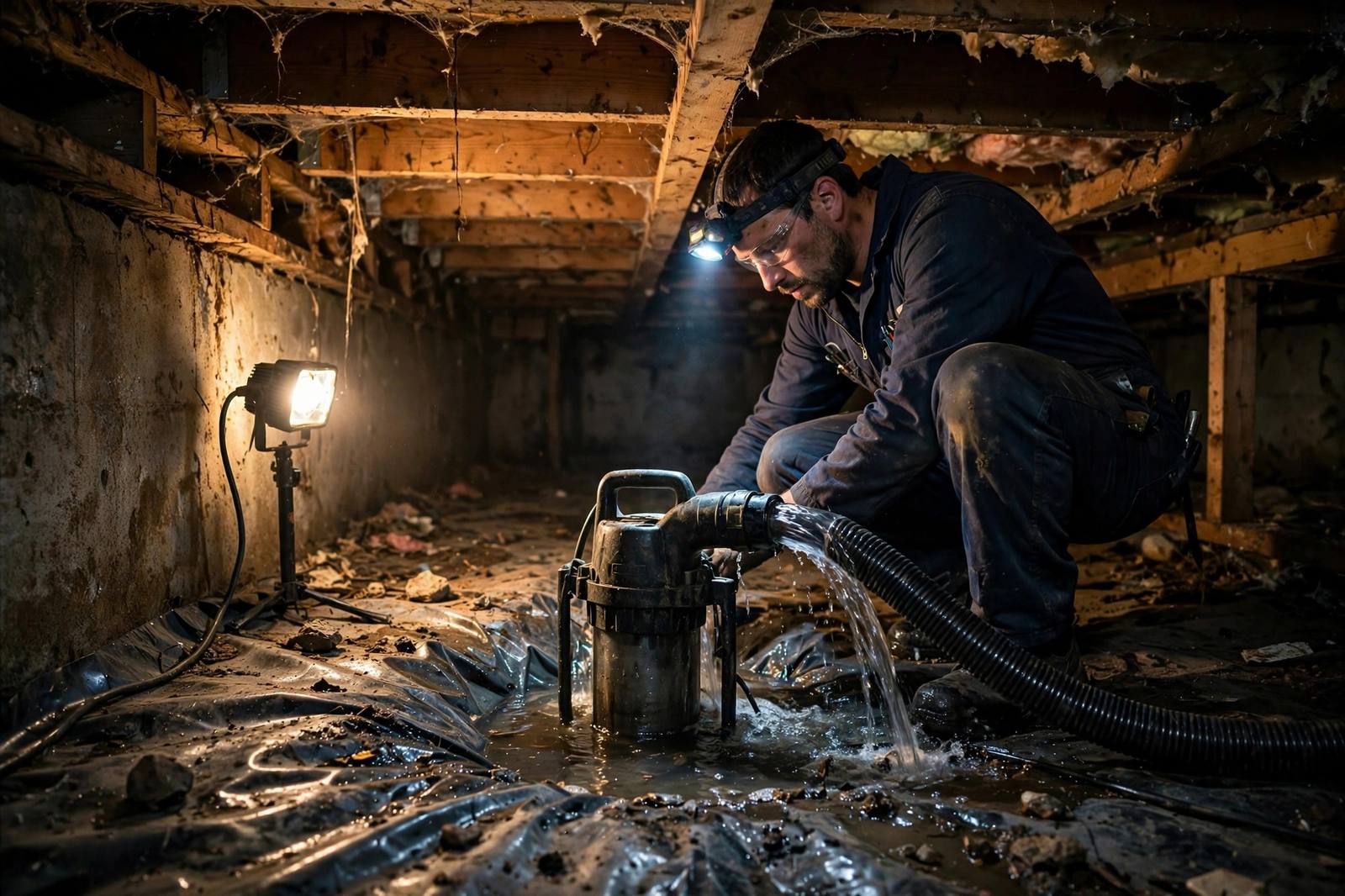
Pumps and extractors clear standing water on every floor it reached.
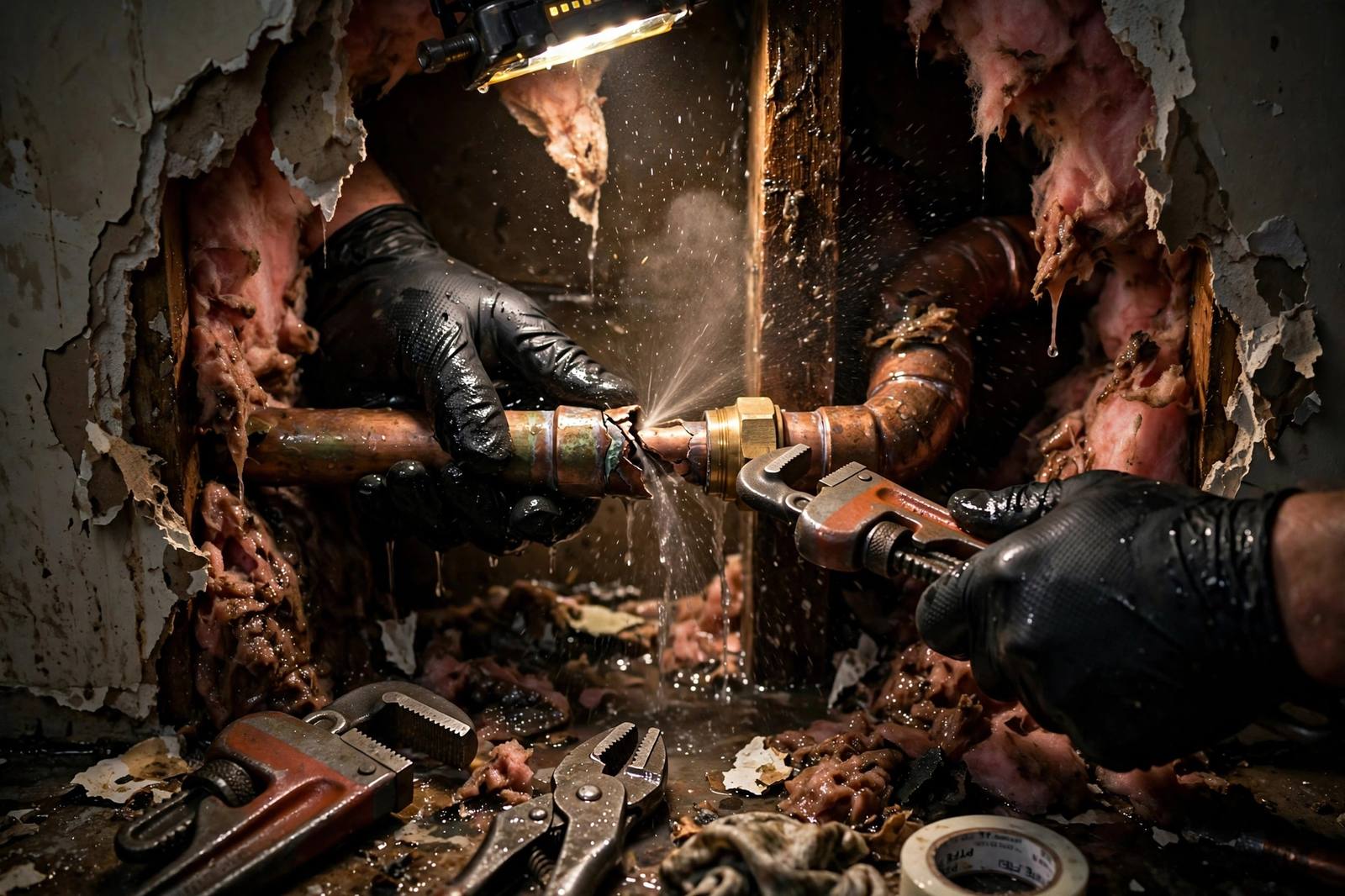
Extraction and wall cavity drying after a supply line fails.
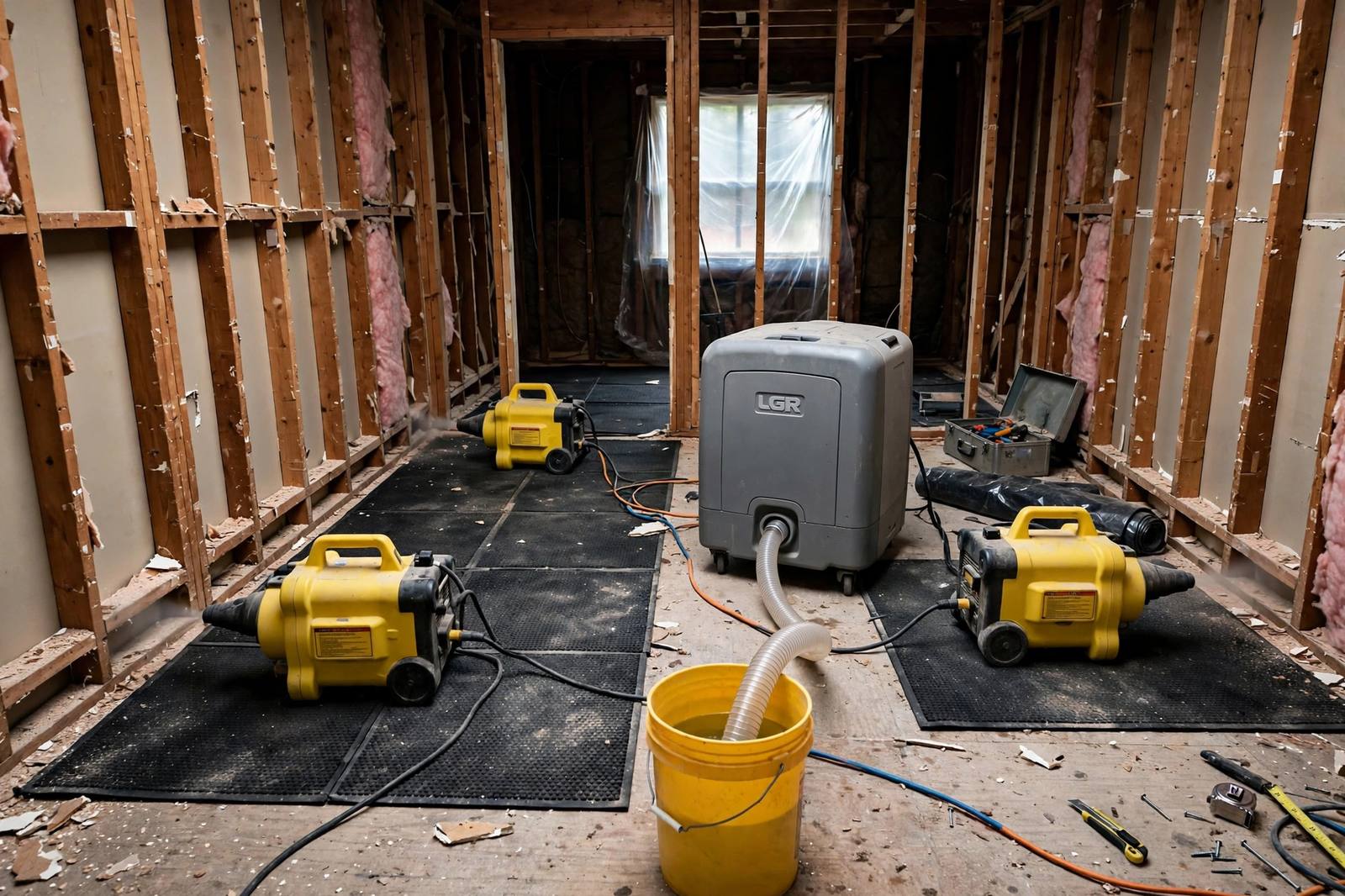
Floor drying mats pull moisture up through the boards, so many floors are saved instead of torn out.
Wet ceilings opened safely and dried after upstairs plumbing or roof leaks.
Tank shut off, water removed, and surrounding floors and walls dried.
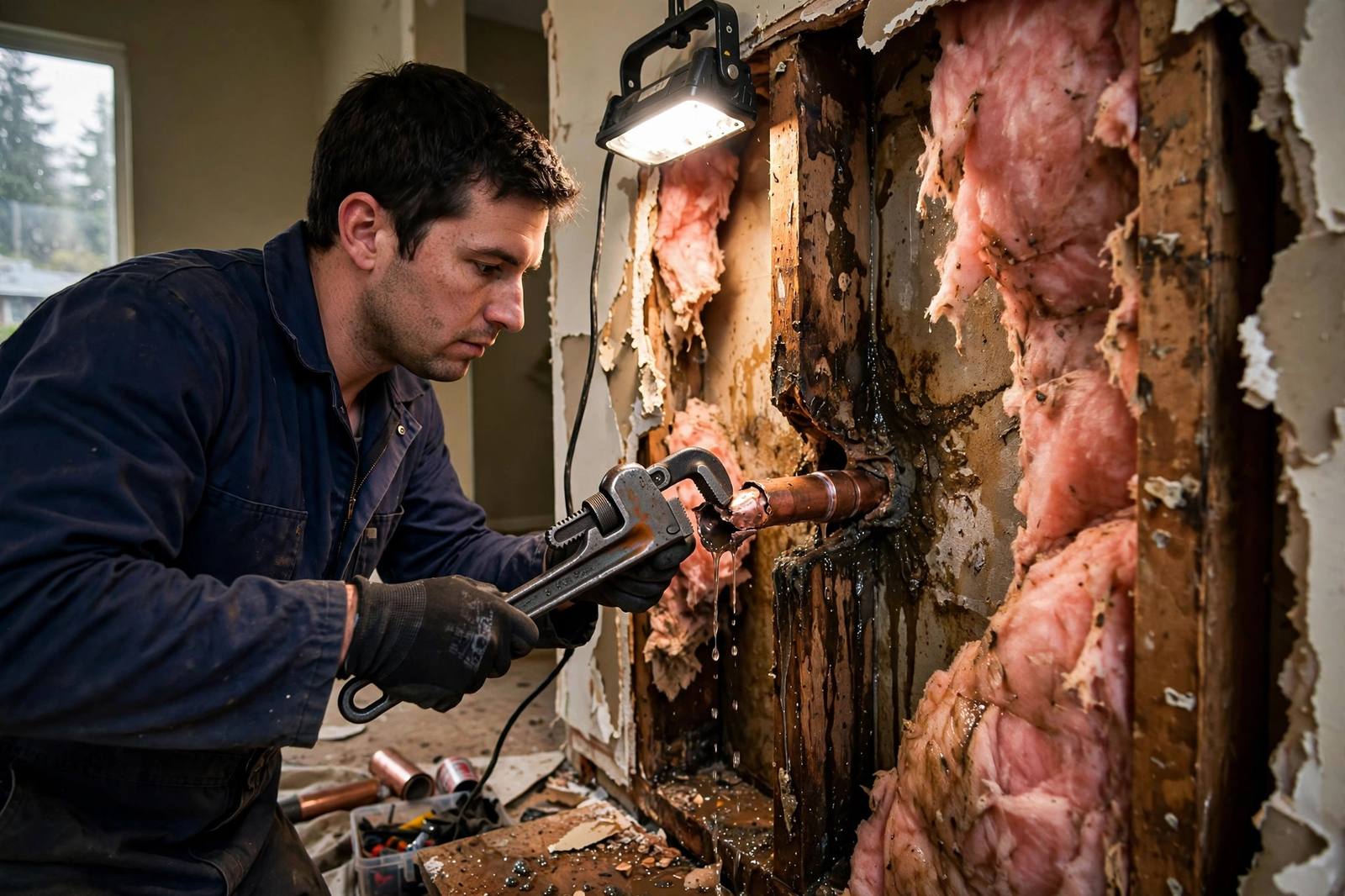
Standing water pumped out, wet insulation removed, framing dried and checked.
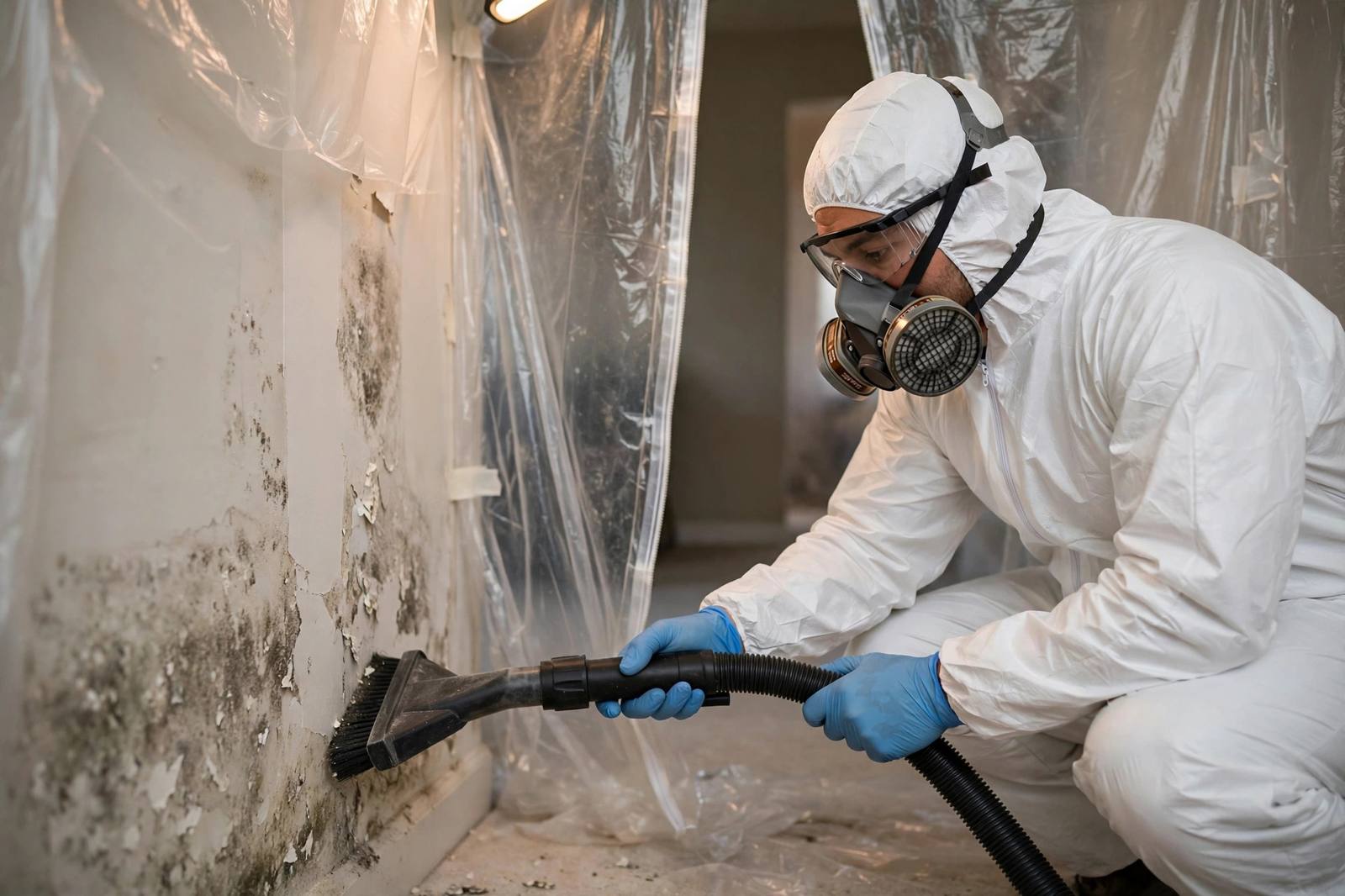
Surfaces cleaned and sanitized, with HEPA air scrubbers running when mold is a risk.

Containment, HEPA filtration, removal, and repair of the moisture source.
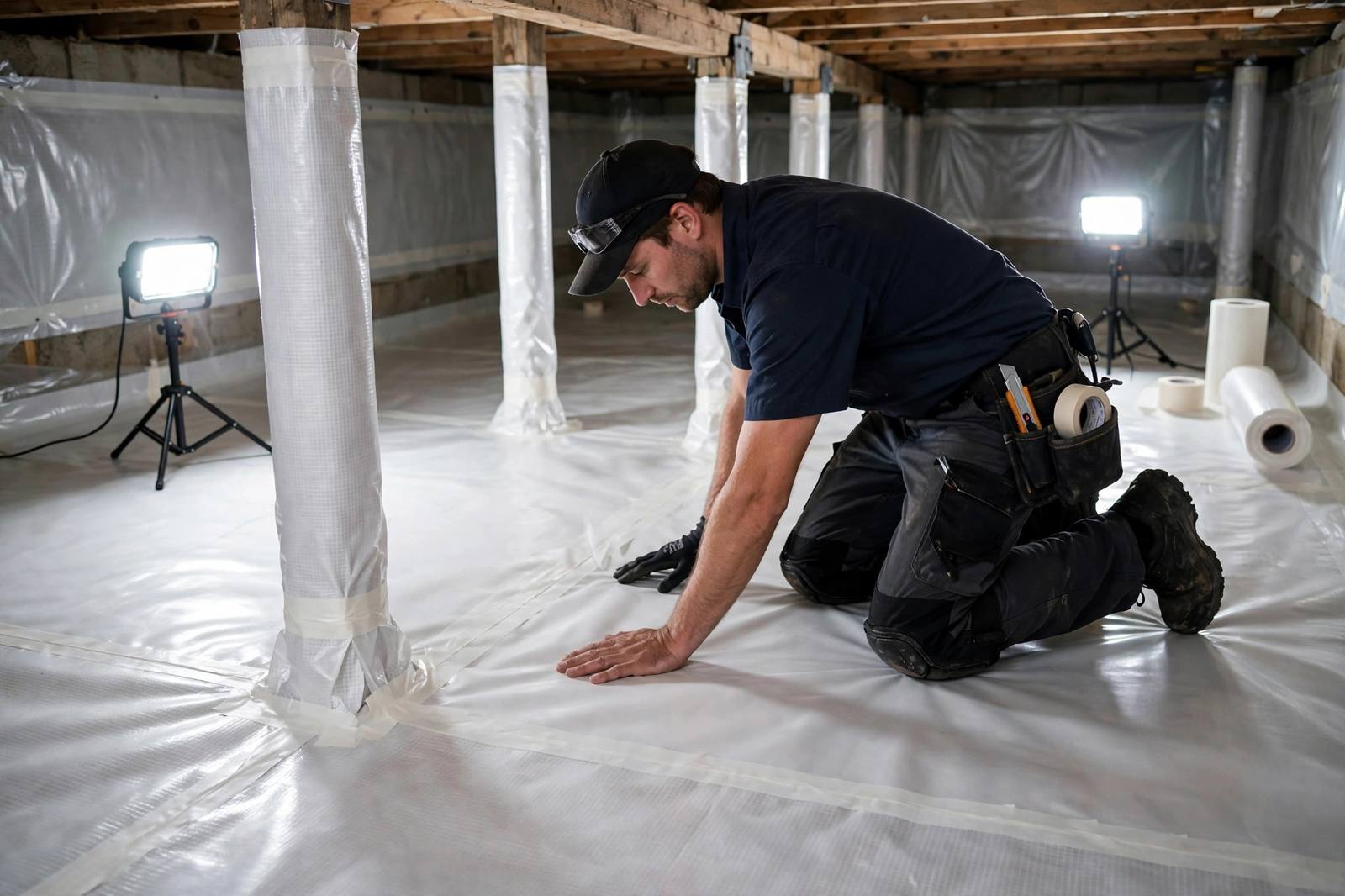
Drywall, insulation, flooring, cabinets, and paint replaced and finished to match.
A real person answers and sends a crew immediately.
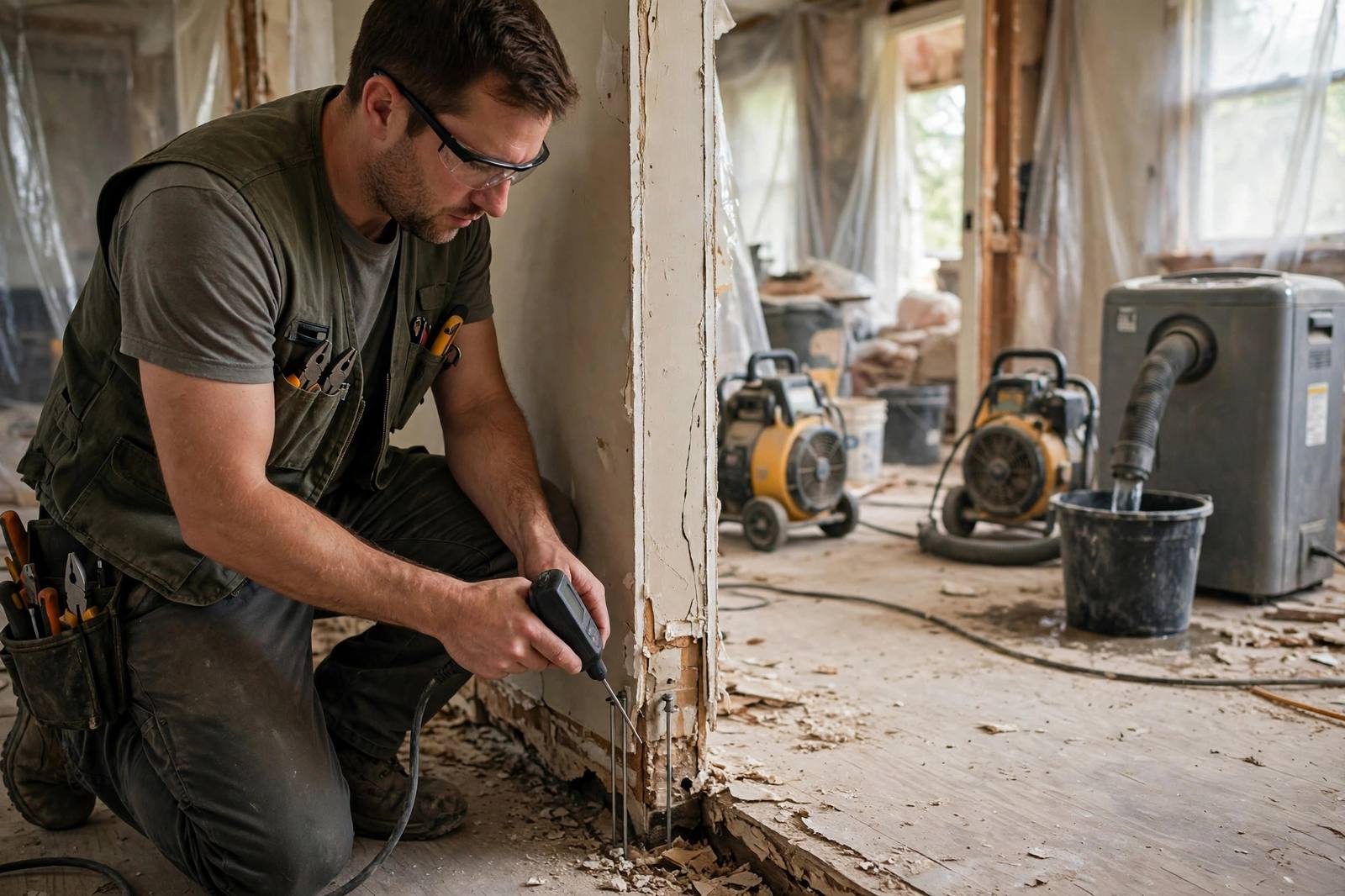
Meters and thermal imaging find water inside walls, ceilings, and under floors.
Standing water is removed.
Air movers, dehumidifiers, and floor mats run about three to five days.
Surfaces are cleaned and treated.
Damaged materials are replaced.
| Phase | Typical time |
|---|---|
| Extraction | Hours to about a day |
| Removing wet materials | About a day |
| Structural drying | About 3 to 5 days |
| Hardwood drying | Often 7 to 10 days or more |
| Repairs | Depends on scope |
Cost depends on the size of the wet area, how many floors the water reached, whether it is clean or contaminated, and how much has to be replaced. Fast drying lowers the bill, because saved hardwood and cabinets do not need to be rebuilt. You get a written scope and estimate before work starts.
Most homeowners policies cover sudden and accidental damage, such as a burst pipe or failed appliance line. Slow leaks that went on for weeks are often denied as gradual damage, which is one more reason to act at the first sign. We photograph the loss, record moisture readings, and work with your adjuster. If your home is in an HOA, we provide the documentation the association asks for.
We serve the whole city, about 21,000 people in Snohomish County, in ZIP code 98012.
Neighborhoods: Town Center, the Country Club area, East Gateway, Heatherwood, and the Seattle Hill Road and 35th Avenue SE corridors.
Nearby: Bothell, Martha Lake, Silver Lake, Lynnwood, and Snohomish.
Immediately. Calls are answered live 24 hours a day, and a crew is dispatched the moment you call.
Standing water is usually out within hours. Drying takes about three to five days after that, longer for hardwood.
Shut off the water, stay out from under the wet area, and call. The source is usually the bathroom or laundry above.
When only some boards are replaced, the whole room is usually sanded and refinished so the color is even.
It can begin within 24 to 48 hours on wet materials.
Yes. Crews are licensed Washington contractors with IICRC-certified technicians.
Fast water damage restoration in Mill Creek, WA, 24 hours a day. Crews dispatched immediately.