Flood Restoration in Lynnwood, WA
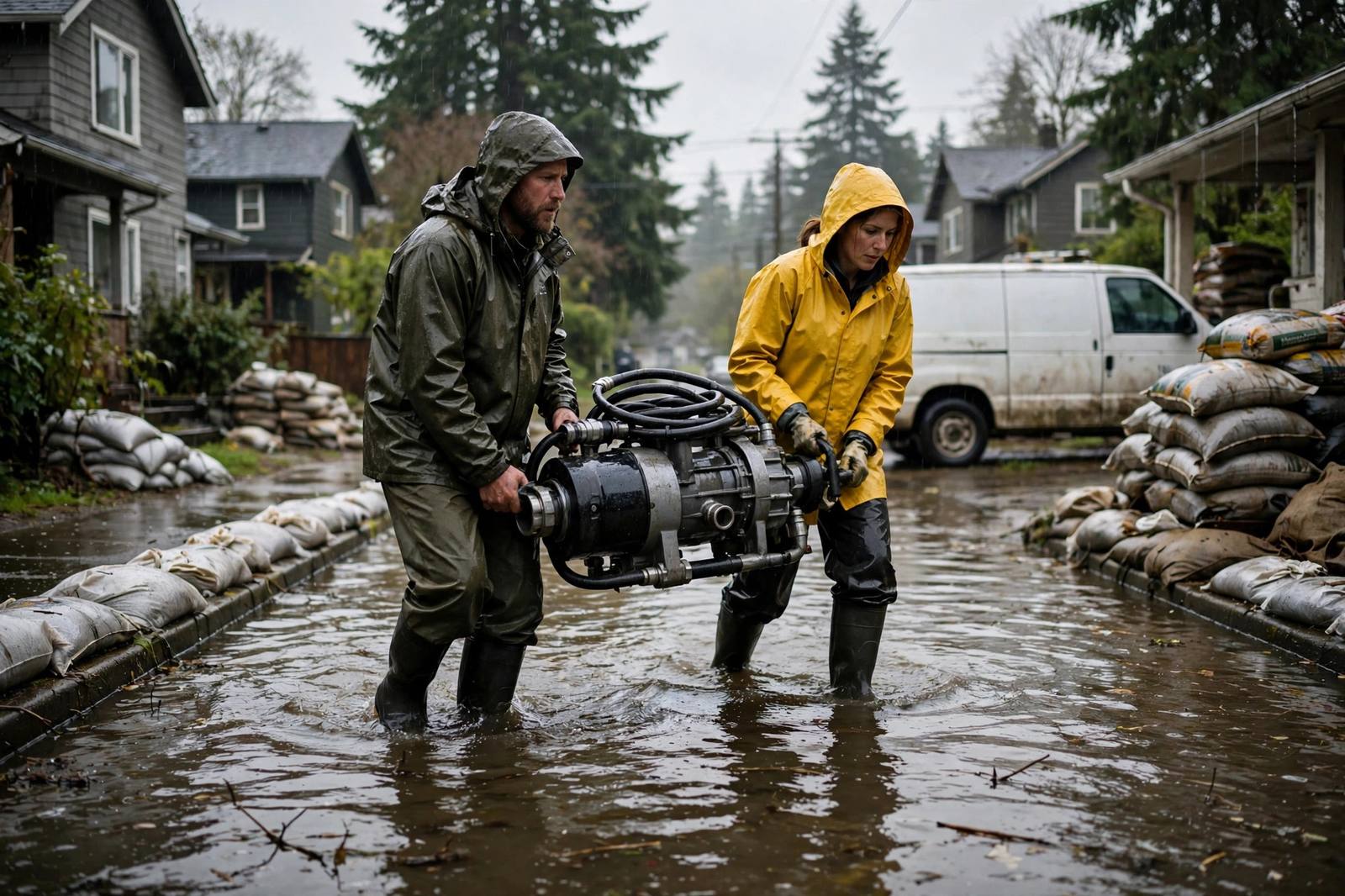
Floodwater carries sewage and bacteria into your Lynnwood home. Stay out, keep kids and pets away, and photograph the damage. Our crew pumps out, disinfects, and dries with daily moisture checks.
- Emergency calls answered right away
- Moisture meters verify every dry-out
- A written scope before work starts
Tell Us What Happened. We Will Call You Back Fast.
Send the details below and a real person will call you back quickly. If water is actively coming in, call (425) 845-0289 right now instead.
Or tell us what happened
Send the details and we will call you back fast. For active flooding, call instead.
Request received
Thanks. We will call you back shortly. If water is still coming in, call (425) 845-0289 right now.
Flood restoration in Lynnwood, WA is different from ordinary water damage. Floodwater crosses yards, streets, and storm drains before it reaches your door, picking up sewage, chemicals, and bacteria along the way. We treat it as contaminated from the first minute: pump out in stages, remove porous materials that cannot be made safe, disinfect every surface that stays, then dry the structure with daily moisture checks.
Lynnwood's low-lying neighborhoods near Swamp Creek and Lake Stickney flood when heavy rain overwhelms drainage. Health agencies say drying within 24 to 48 hours decides how much of your home survives. While you wait for us, stay out of the water, keep kids and pets away, and photograph the high-water line for insurance. Call any hour. The sooner we start, the more we save.
Why a Flood Is Not Ordinary Water Damage
A burst pipe sends clean water into your home. A flood doesn't. Floodwater has crossed yards, roads, and storm drains first, so it can carry sewage, chemicals, and bacteria. Health agencies tell people to assume that anything floodwater touched is contaminated.
| Water source | Category | Typical handling |
|---|---|---|
| Broken supply line | Category 1, clean | Often dried in place if caught fast |
| Appliance discharge | Category 2, gray | Cleaned and dried, case by case |
| Floodwater, storm runoff, sewage | Category 3, grossly contaminated | Porous materials typically removed; surfaces disinfected |
Rainwater that has run across the ground or through storm drains before reaching your home is handled as Category 3 too. The same agencies say to throw away porous items that floodwater soaked and that can't be disinfected, including carpet and pad, mattresses, upholstered furniture, and contaminated drywall and insulation.
Flood Cleanup Lynnwood Property Owners Need: Our Process, Step by Step
Every flood job follows the same order: make it safe, get the water out, remove what can't be saved, clean and disinfect, then dry. We follow ANSI/IICRC S500.
Safety and Source Assessment
Crews wear protective gear, including gloves, boots, eye protection, and respirators. We confirm the water has stopped rising or has receded, check electrical, structural, and slip hazards before heavy equipment goes in, and classify the water.
Floodwater Extraction
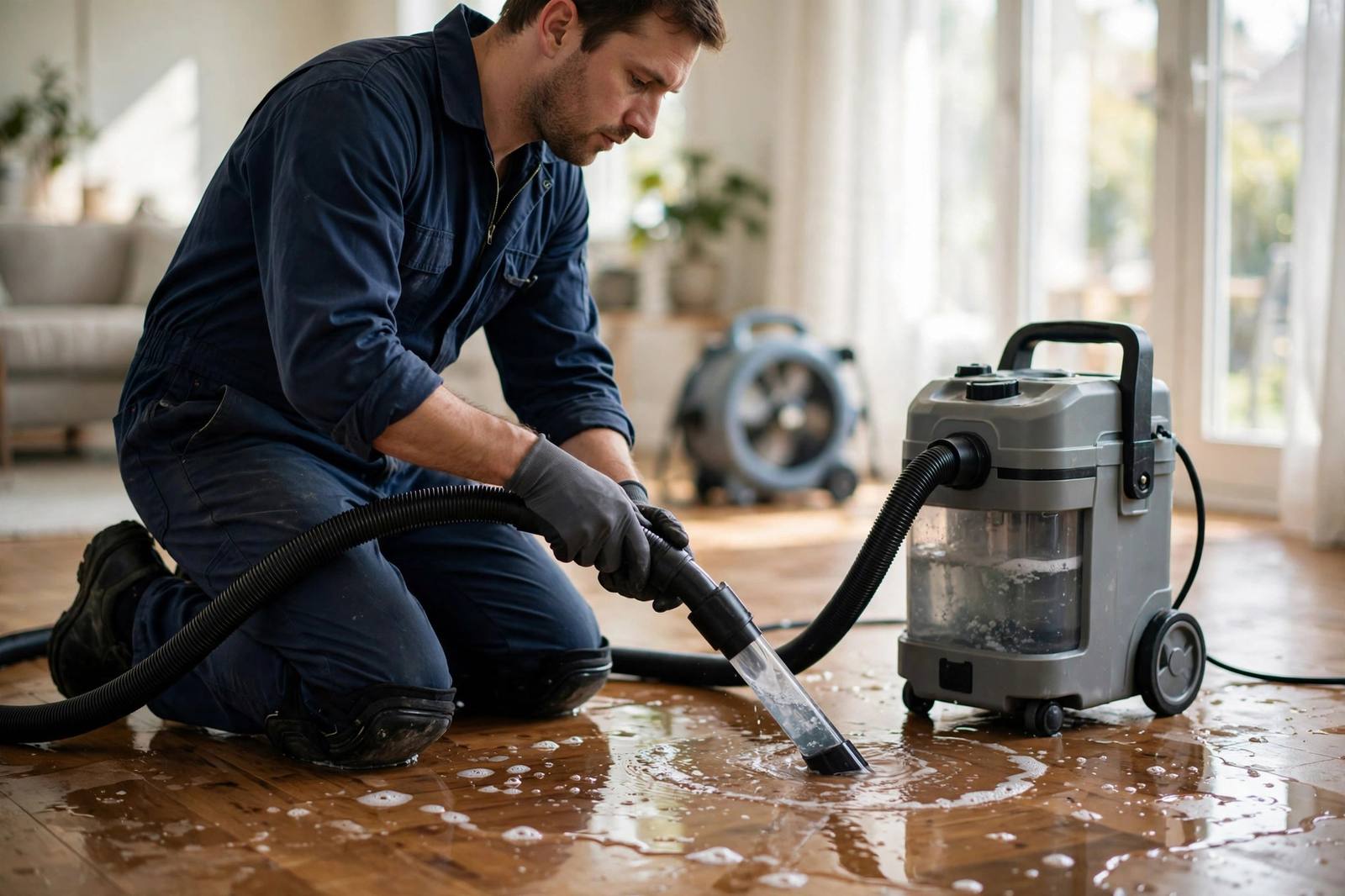
Submersible pumps and extractors remove standing water, working from the lowest point outward. If the ground outside a basement is still saturated, we remove water in stages, because pumping too fast can let the weight of saturated soil push on foundation walls.
Flooded House Cleanup: What Comes Out and What Stays
Our flooded house cleanup removes porous materials that floodwater soaked and that can't be safely disinfected: carpet and pad, soaked insulation, and drywall. Drywall is typically cut out above the visible waterline, often a foot or more, because water wicks upward. Hard, nonporous surfaces like tile, sealed concrete, and metal can usually be cleaned and kept. We photograph and list what is removed.
Cleaning, Disinfection, and Antimicrobial Treatment
Remaining surfaces are cleaned of silt and debris first, because disinfectant can't work through dirt, then treated with EPA-registered antimicrobial products. HEPA air scrubbers may run during the work.
Structural Drying and Verification
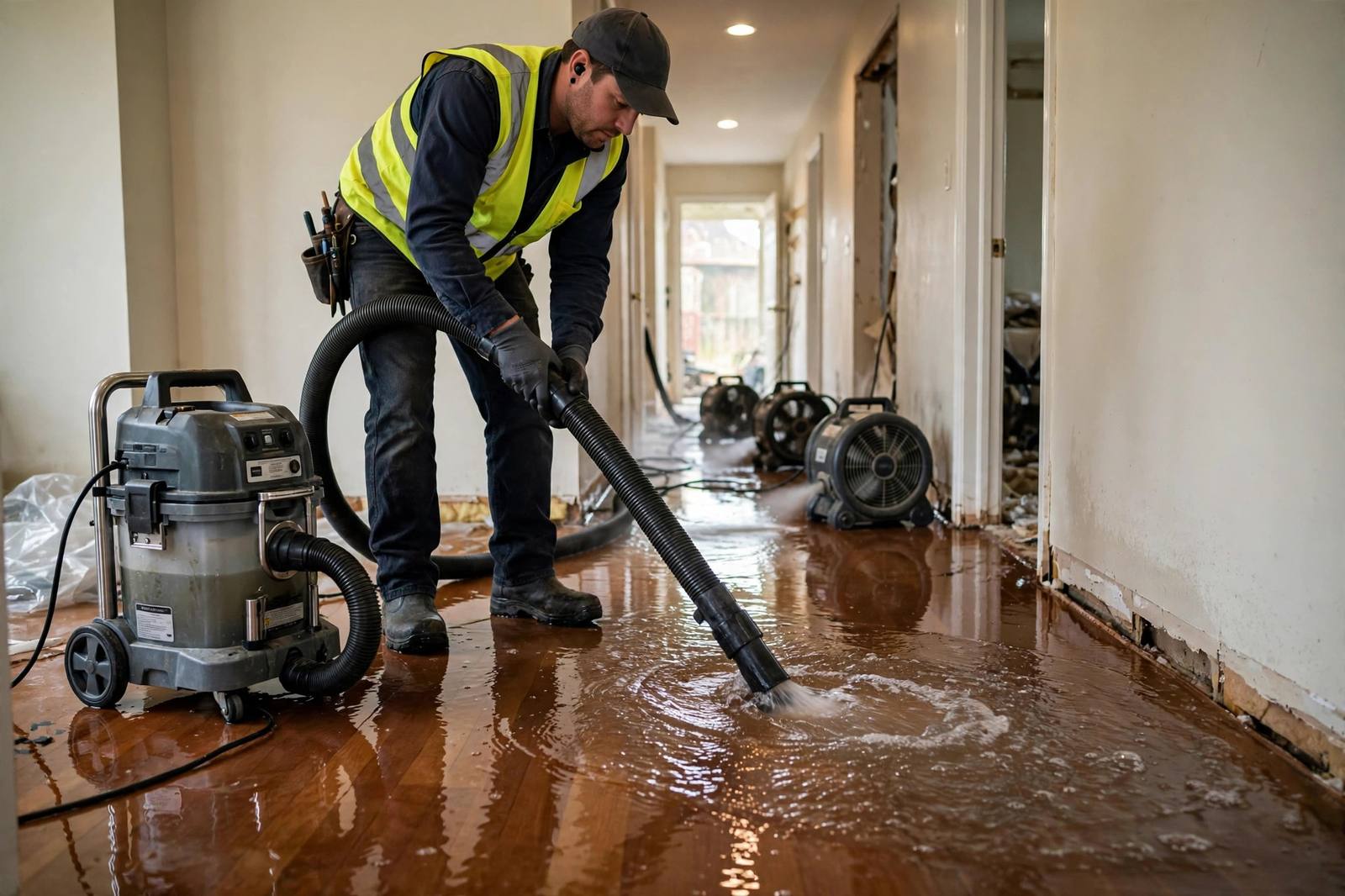
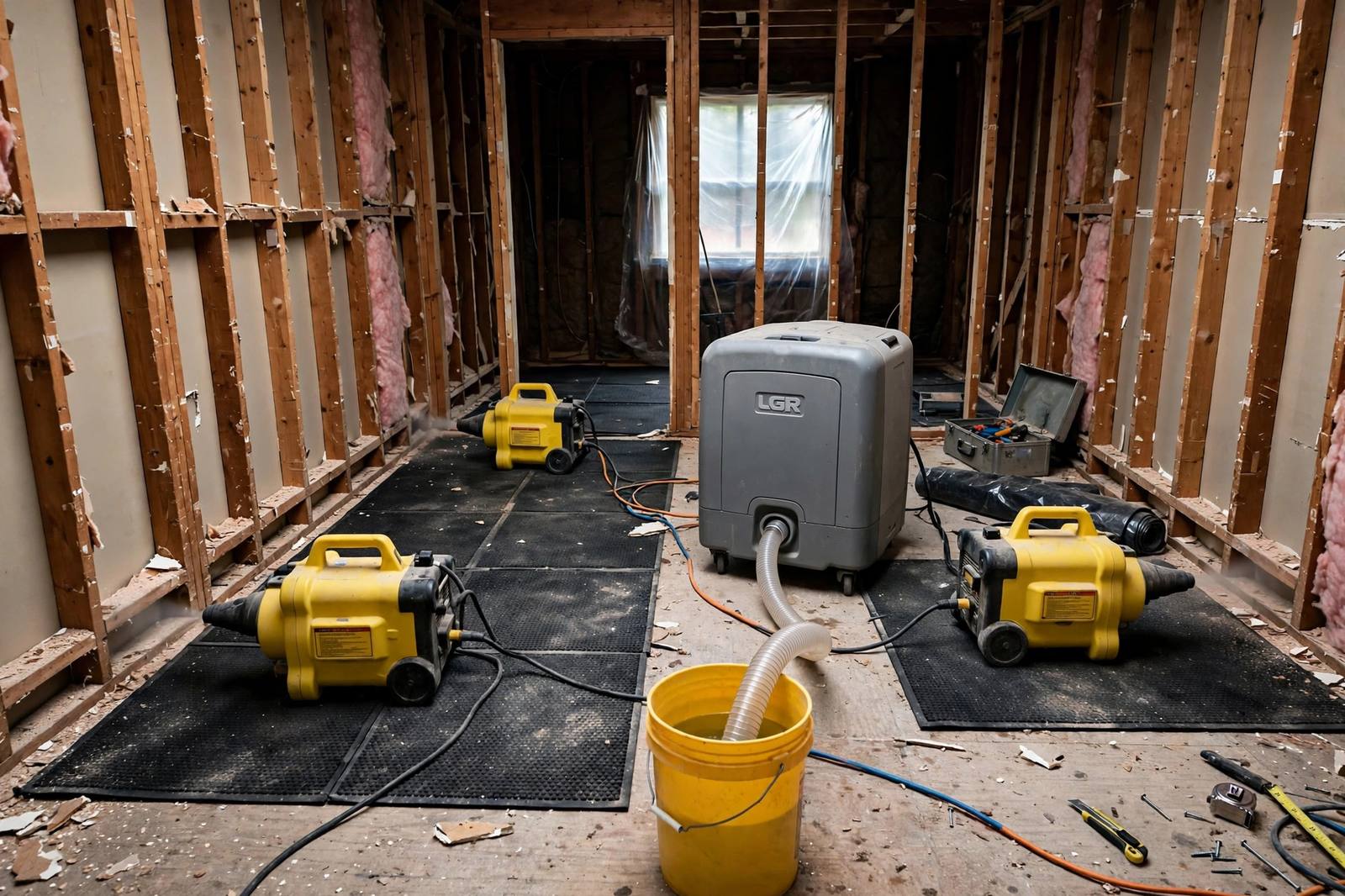
Air movers and dehumidifiers dry wall cavities, subfloors, and framing. Typical drying takes about three to five days, and severe floods take longer. Moisture meters and thermal imaging confirm the structure is dry before repairs begin.
Heavy Rain Flooding Lynnwood Homes Face Each Winter
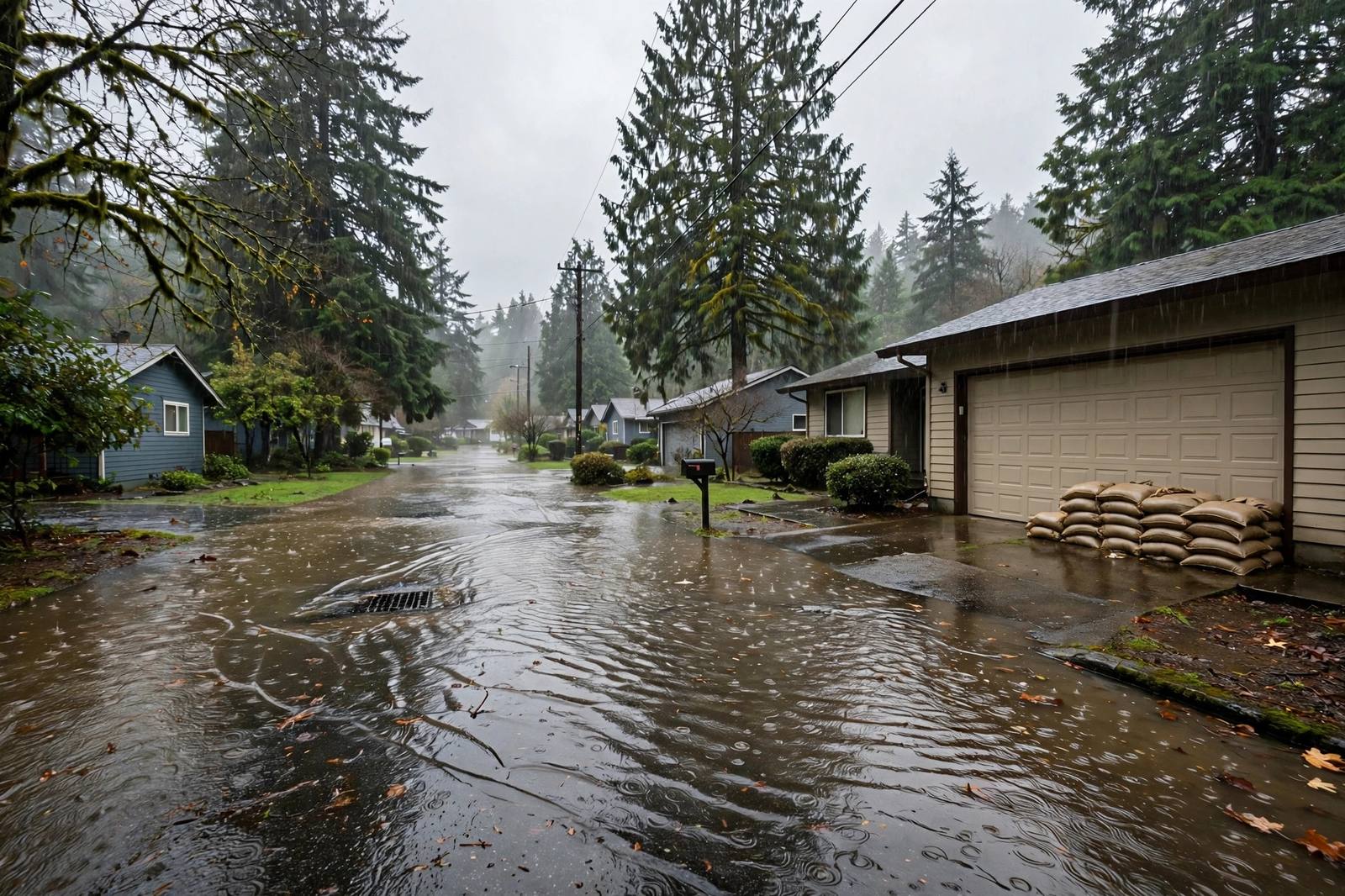
Western Washington's wet season brings long stretches of rain, and Lynnwood's mix of crawl space homes, basements, and low spots means water finds a way in: through doors and windows, through foundation walls, and up from saturated ground. Storm drains and creeks can overflow, and clogged gutters send roof water straight to the foundation.
Atmospheric River Flooding: Days of Rain on Saturated Ground
Atmospheric rivers are long, narrow bands of moisture that can bring days of heavy rain to Western Washington. Atmospheric river flooding builds over time: the ground fills, drains back up, and water that had nowhere to go starts entering homes. If a storm like that is forecast, clear gutters and storm drains near your home, move valuables off low floors, and know where your main water and power shutoffs are.
Flash Flood Cleanup: Acting Before the Water Recedes
Flash flood cleanup starts with safety: don't enter until it is safe to do so. Once the water stops rising, photograph the high-water line, which shows how far up the walls the water went and where we will need to cut. Then call us. Silt dries hard and holds contamination against surfaces, so the sooner the water is out, the easier everything after it becomes.
What Gets Removed and What Can Be Saved
These are typical outcomes. Moisture readings and the condition of each item make the final call.
| Material or item | Typical outcome after floodwater |
|---|---|
| Carpet and carpet pad | Removed |
| Drywall and insulation the water touched | Removed, typically cut above the waterline |
| Mattresses, upholstered furniture, soft items | Discarded |
| Wood framing | Cleaned, treated, and dried when structurally sound |
| Tile, sealed concrete, metal, glass | Usually cleaned, disinfected, and kept |
| Solid wood furniture | Case by case, depending on finish and condition |
| Appliances and electronics | Not safe to use until a qualified technician checks them |
| Food and anything that touched the water | Discarded |
How Long Flood Restoration Takes
| Phase | Typical time |
|---|---|
| Pump-out and extraction | Hours to about a day |
| Removal of soaked materials and cleaning | About 1 to 2 days |
| Structural drying | About 3 to 5 days, longer if severe |
| Repairs | Depends on scope |
After the Flood: Mold Risk
Mold can begin growing on wet materials within 24 to 48 hours. Items that stay wet longer are likely to have mold in or on them even if you can't see it. Cleaning should remove mold, not just kill it. If we find mold, we'll show you and explain the next steps. See Mold Remediation.
Homes, Apartments, and Commercial Properties
We respond to houses, apartments, offices, and retail spaces. Larger buildings need a phased plan, so we walk the property first and give you a written scope. Property managers can call the same number for priority response, with documentation for each job.
Flood Restoration FAQs
We answer emergency calls right away and send a crew as quickly as possible. Arrival time depends on your address and on road and water conditions, so we confirm it when you call.
Treat it as contaminated. It can carry sewage, chemicals, and bacteria, and it can cause infections if it gets into cuts. Keep children and pets out, wash your hands with soap and clean water after contact, and never eat or drink anything the water touched.
We don't recommend it. At a minimum you would need gloves, rubber boots, eye protection, and an N95 respirator, and you would have to throw away every porous item the water soaked. Call us and we'll tell you what is safe to do yourself.
Heavy rain flooding Lynnwood homes experience usually comes from overflowing storm drains and creeks, saturated ground, and water pooling at low spots, doors, and window wells.
Usually, where floodwater touched it. Drywall is typically cut out above the visible waterline because water wicks upward, and we use moisture readings to decide how high.
Not until a qualified electrician has checked wet electrical systems. Never touch wet electrical equipment or stand in water to reach the panel.
Don't touch it and keep people and pets out of the area. Call (425) 845-0289.
Call (425) 845-0289 and we'll walk you through what to document.
Floodwater Won't Wait.
Flood cleanup Lynnwood residents can start today: call (425) 845-0289. Emergency calls are answered right away.
(425) 845-0289