Water Extraction in Mountlake Terrace
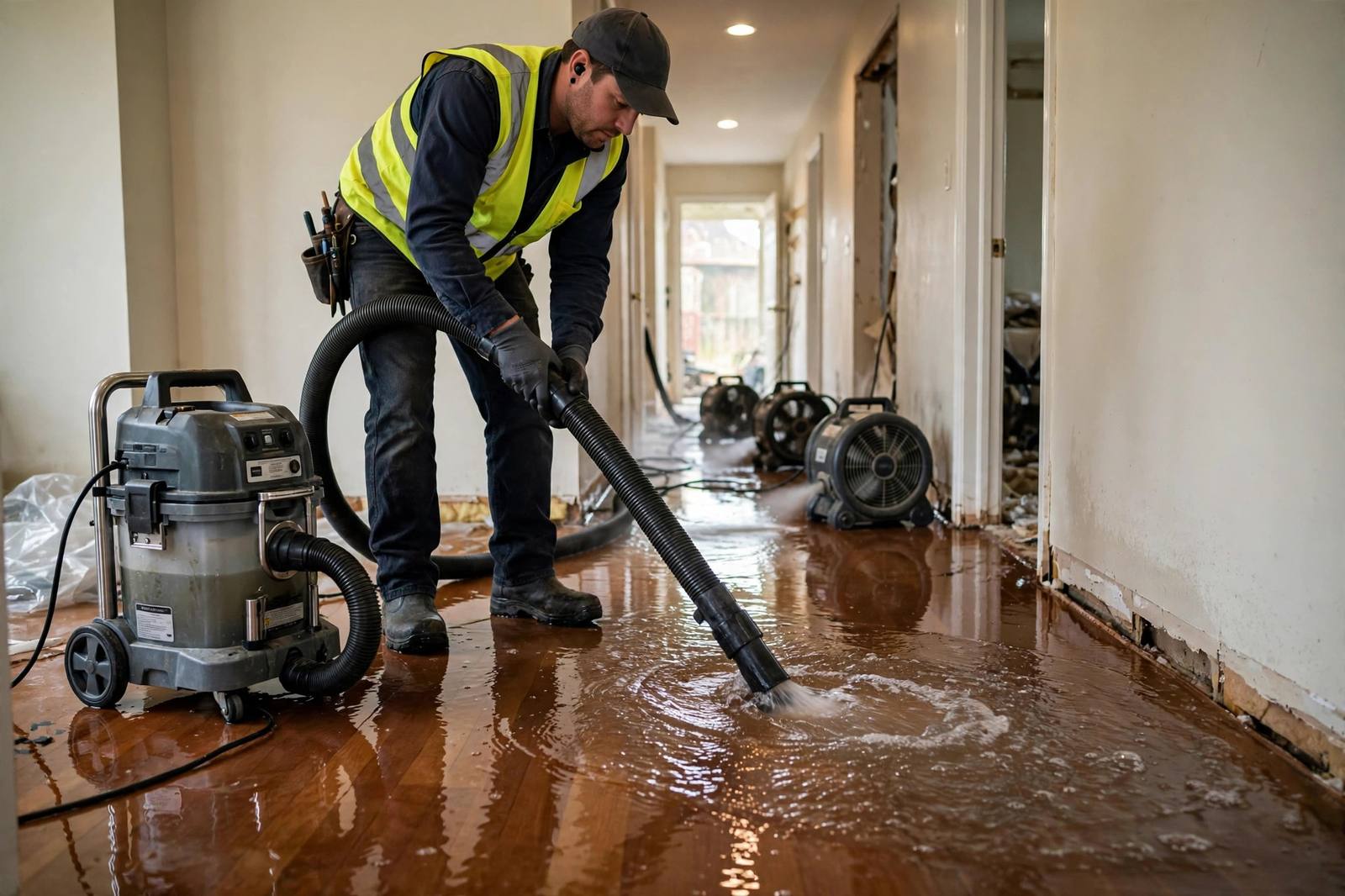
Pumps and truck-mounted extractors clear standing water before it soaks into subfloors and wall plates.
Water on the floor, a soaked wall, or a drain that just backed up? Call now. We answer live and dispatch a licensed, IICRC-certified crew to your home immediately, 24 hours a day.
Send the details and a real person will call you back quickly. If water is actively coming in, call (425) 845-0289 right now instead.
What happened, where, and we will call you back fast.
Thanks. We will call you back shortly. If water is still coming in, call (425) 845-0289 right now.
Professional water damage restoration in Mountlake Terrace starts with speed and ends with proof. The EPA advises drying wet materials within 24 to 48 hours, because mold can begin after that. Our crews follow ANSI/IICRC S500 and do not call a job dry until the moisture meter says so.
We are next door in Lynnwood. Crews come down I-5 or 44th Avenue W and reach Town Center, Cedar Terrace, and the Lake Ballinger side in minutes.
The city was built fast, starting in 1949, as a community of small postwar houses. Thousands are still lived in.
Many 1950s and 1960s homes still have galvanized steel supply lines that corrode from the inside and split without warning.
Clay and concrete side sewers crack and fill with tree roots.
Postwar ramblers sit close to the ground, so water reaches framing and flooring quickly.
Most basement flooding in Mountlake Terrace happens on this side of the city, in wet winters.
Rain that cannot drain soaks ceilings and exterior walls.
Redevelopment around the light rail station changes how stormwater drains onto older lots.
Galvanized steel supply pipe typically lasts 40 to 60 years. In a house built in the 1950s, it is past that. The pipe rusts from the inside, so it can look fine on the outside until it leaks.
If you see these, have a plumber inspect the lines, and know where your main shutoff is. When one does fail, shut off the water and call us.
In older homes the usual cause is the side sewer, the pipe that runs from the house to the main in the street. Old clay and concrete sections crack, tree roots grow in, and the pipe partly blocks. In heavy rain, groundwater leaks into the line, it cannot keep up, and water comes back through the lowest drain in the house.
Treat anything that comes up a drain as contaminated. Stop running water, keep people and pets away, and call. The side sewer is usually the homeowner's responsibility, so a plumber with a sewer camera should inspect it after the cleanup.
Pumps and truck-mounted extractors clear standing water before it soaks into subfloors and wall plates.
Air movers and LGR dehumidifiers run about three to five days, with readings throughout.
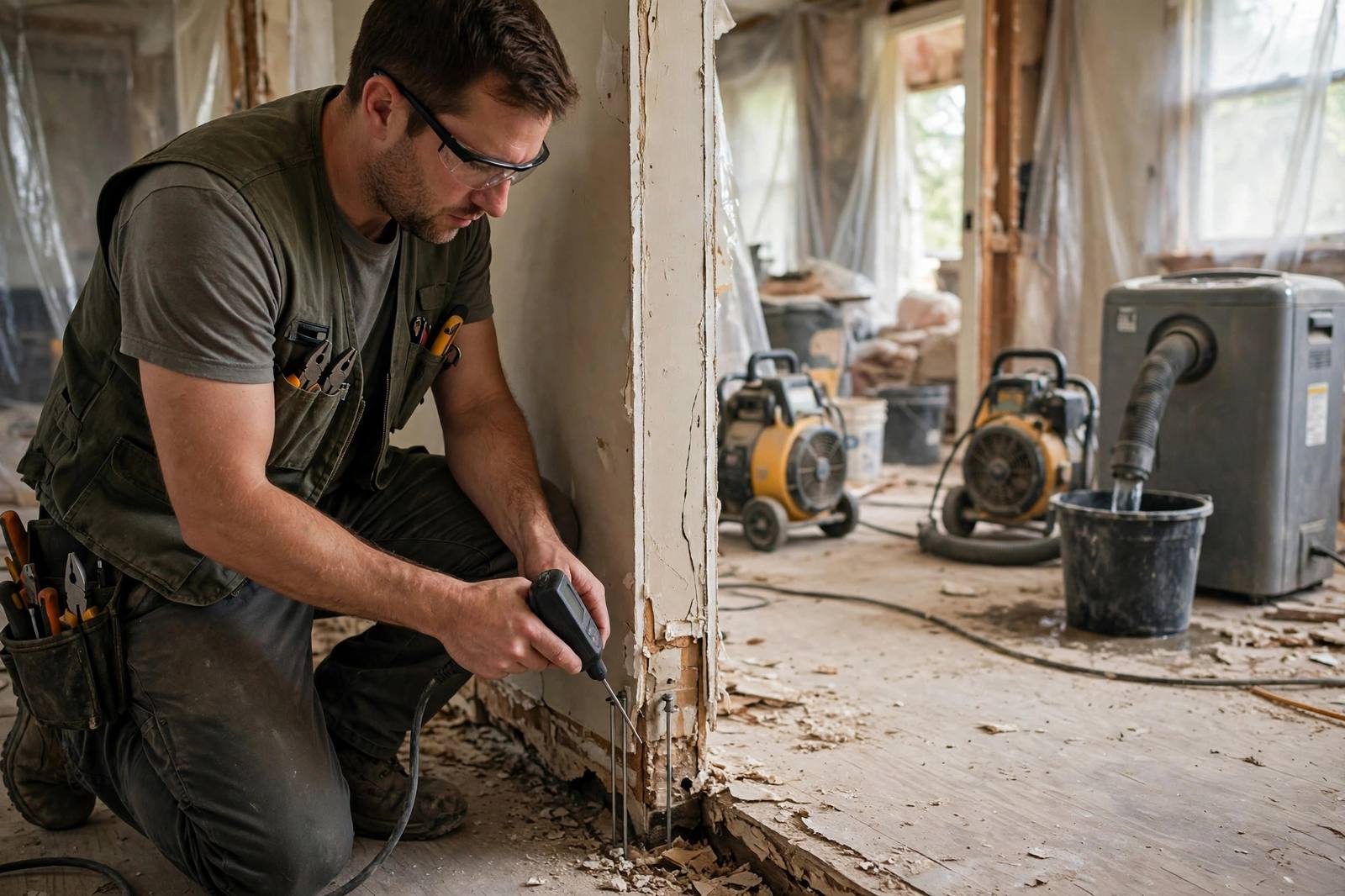
Extraction and wall cavity drying after a supply line fails.

Tank shut off, water removed, and the floor and walls around it dried.
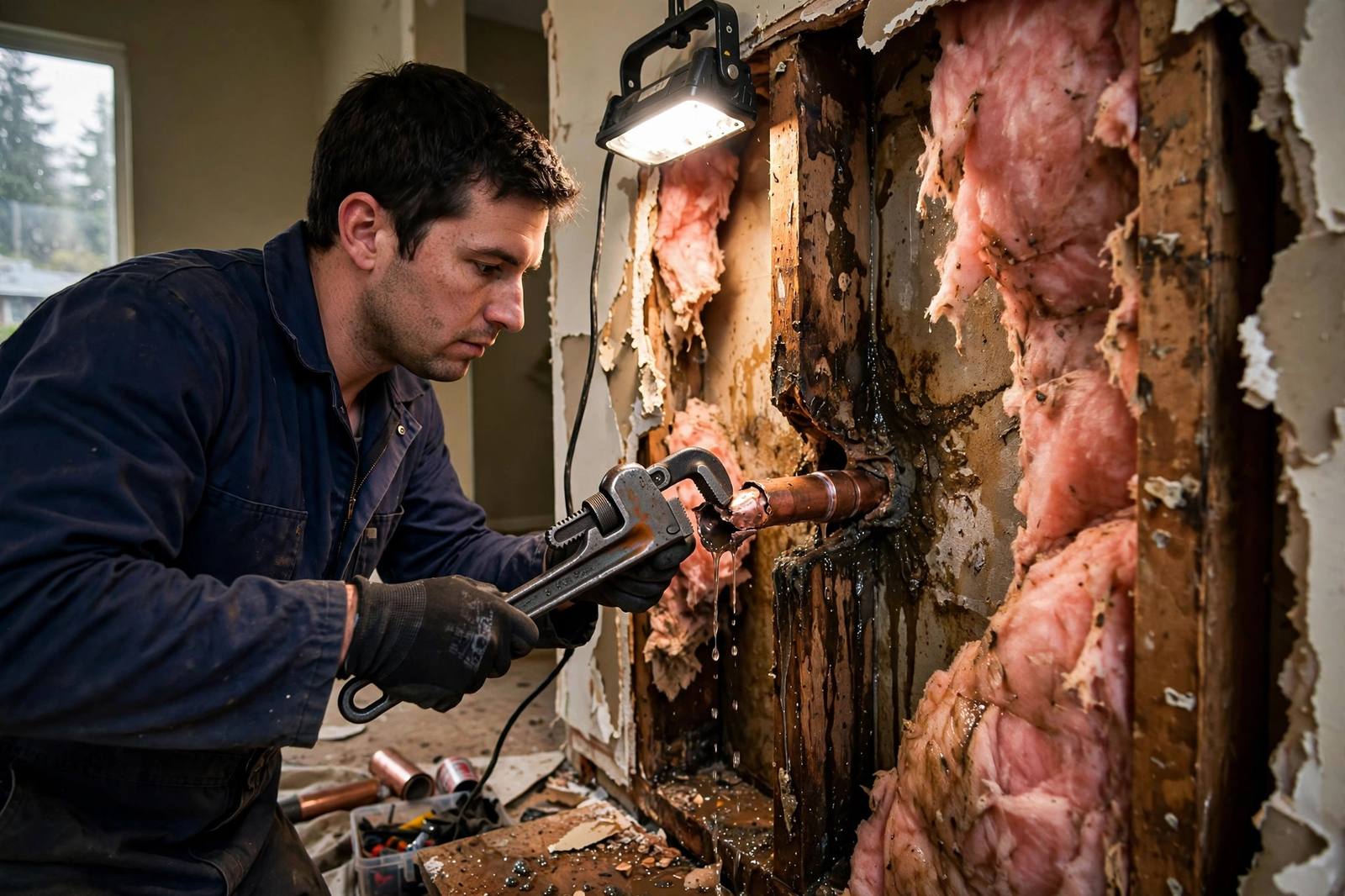
Standing water pumped out, wet insulation removed, framing dried and checked.
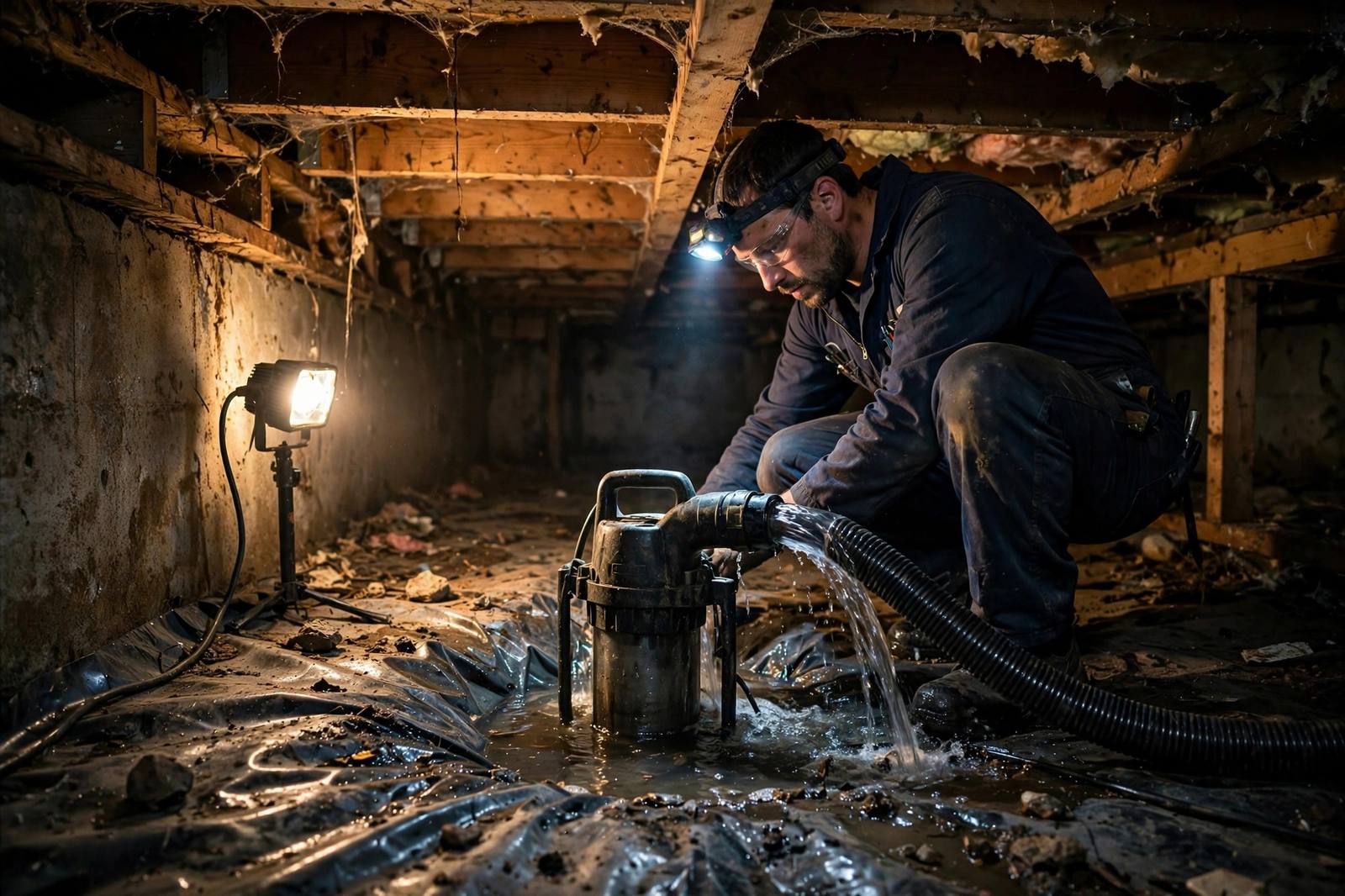
Contaminated water removed safely and every remaining surface disinfected.
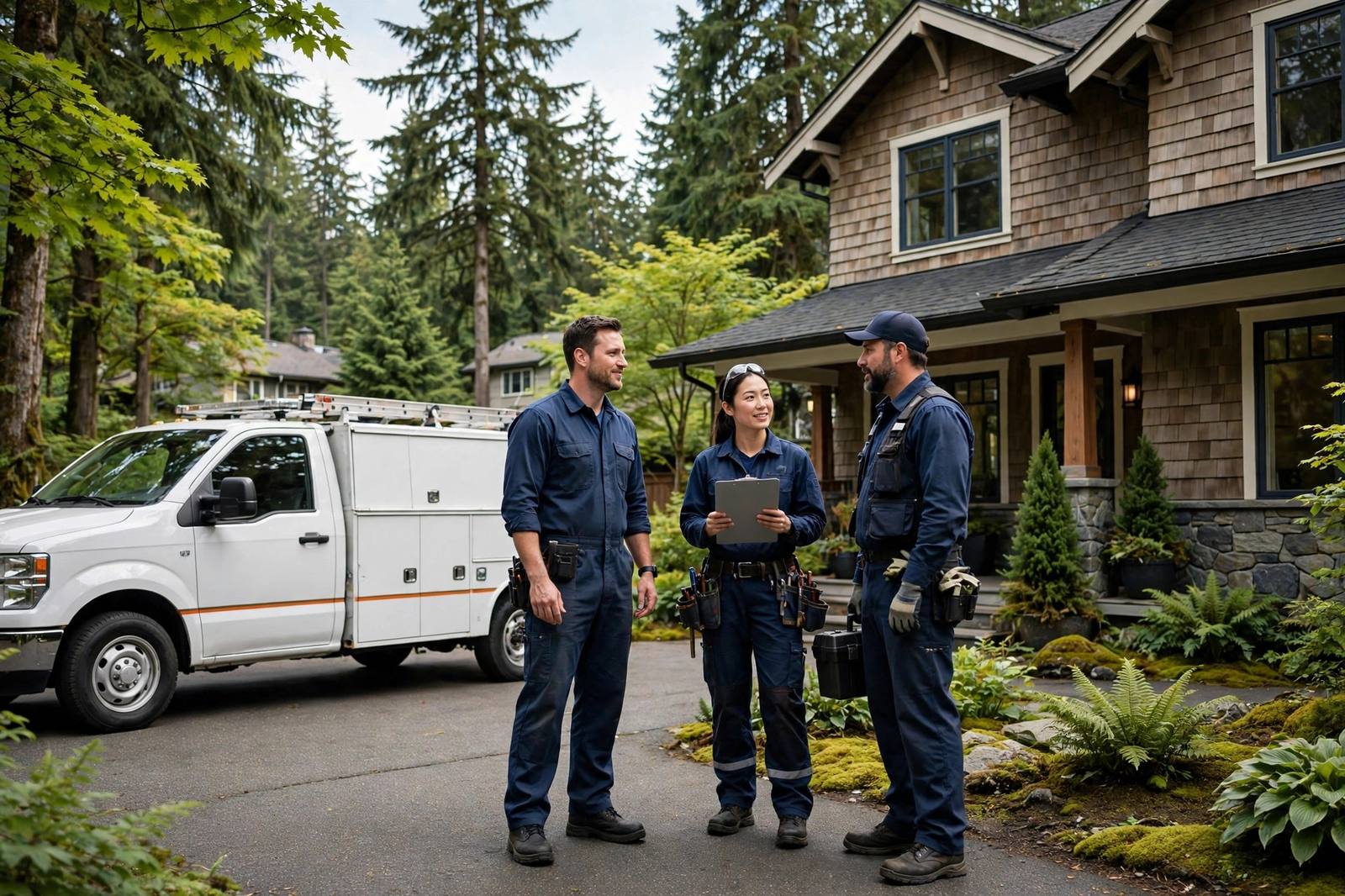
Wet ceilings opened safely and the cavity dried after roof and plumbing leaks.
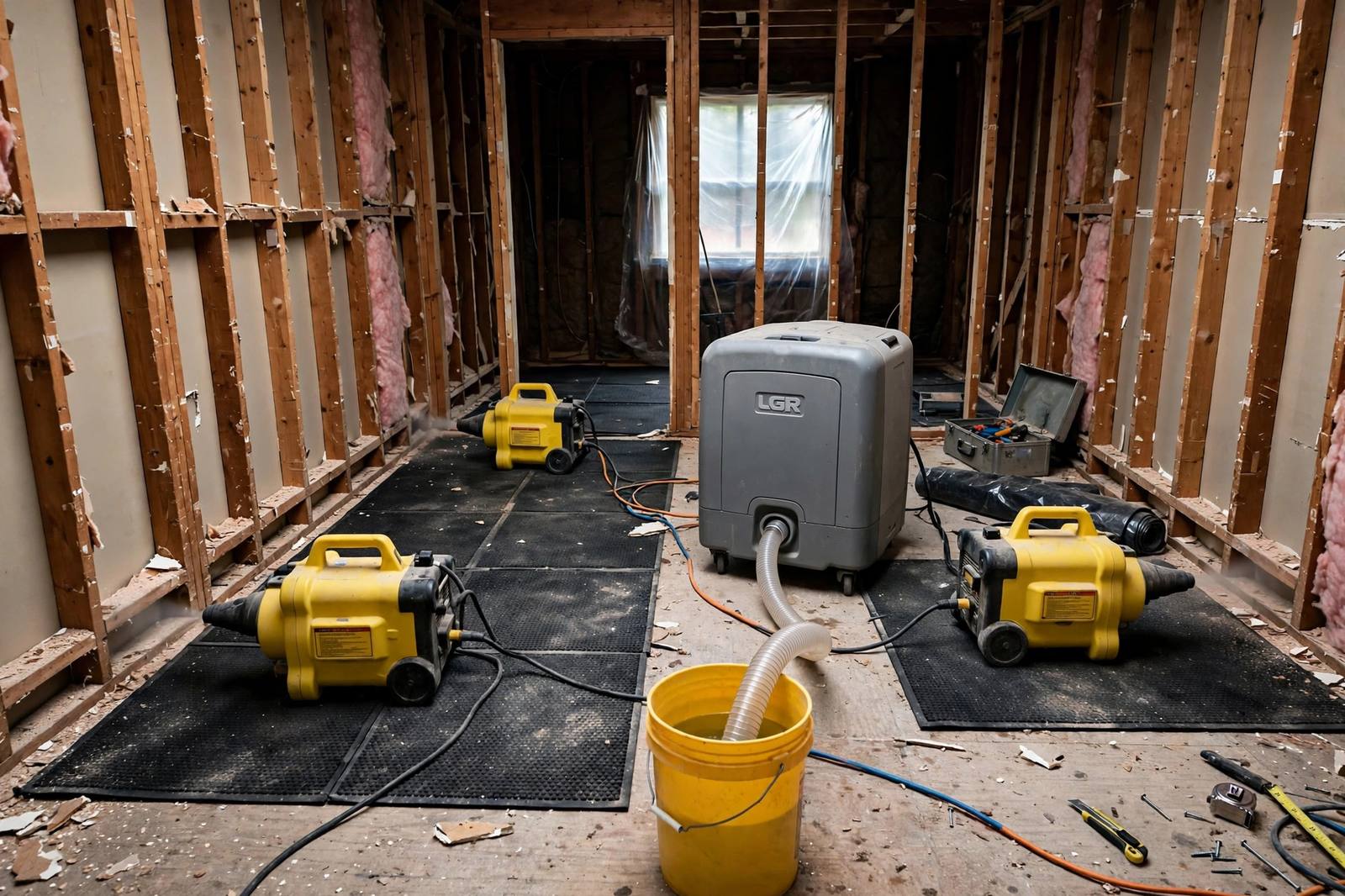
Containment, HEPA filtration, removal, and repair of the moisture source.
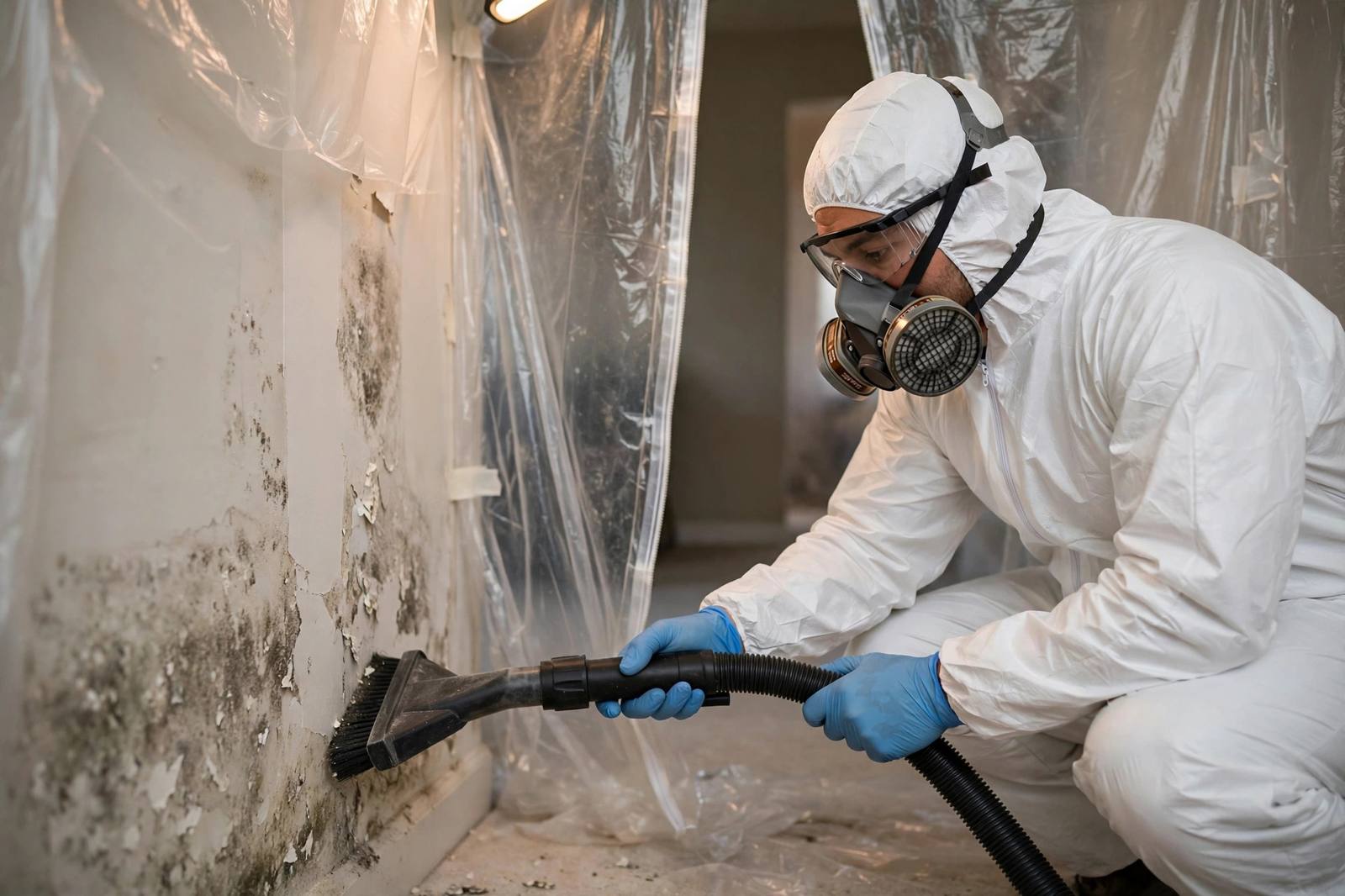
Drywall, insulation, flooring, and trim replaced, matched to older materials where needed.
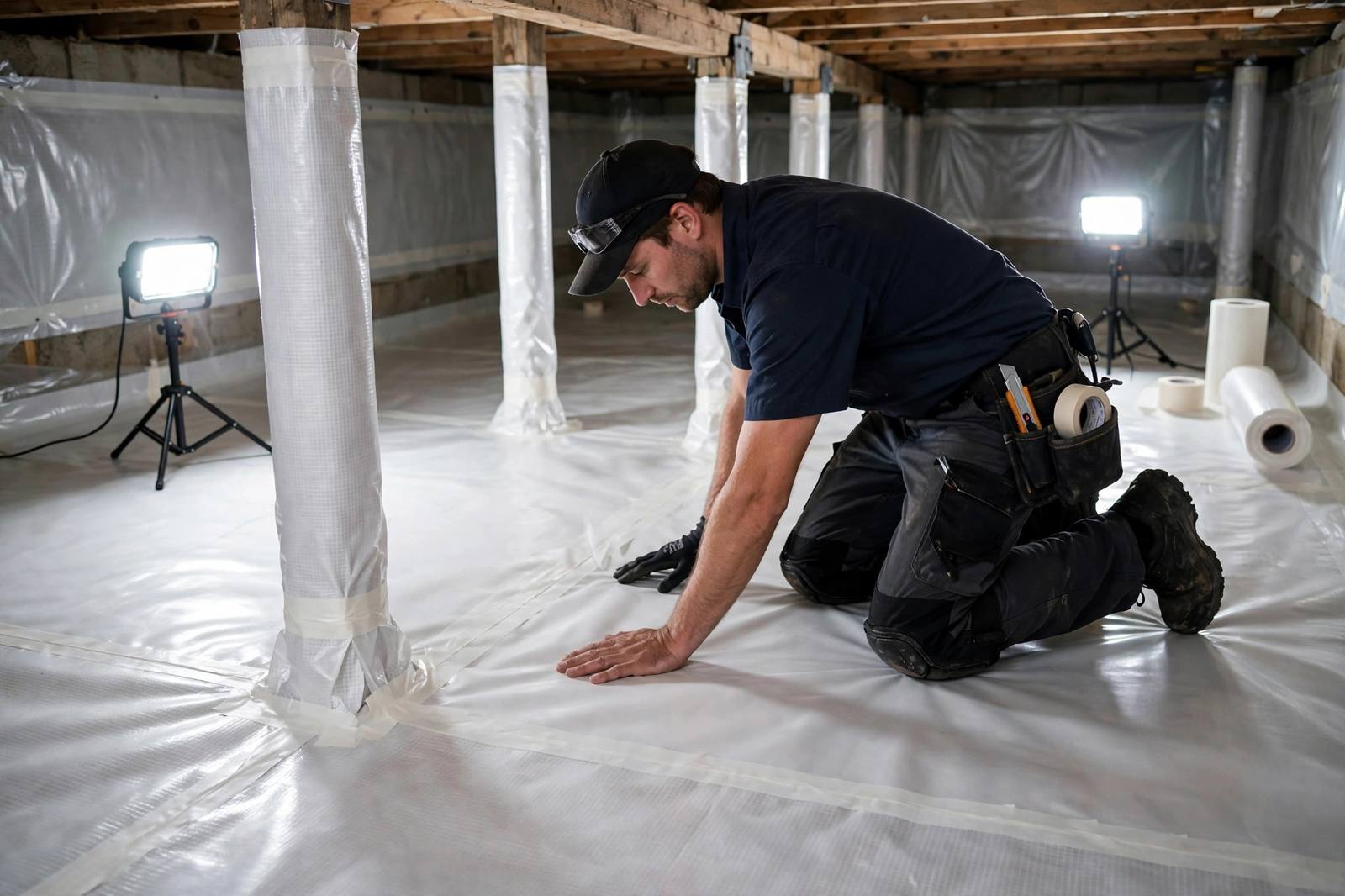
A real person answers and sends a crew immediately.
Meters and thermal imaging find water inside walls and under floors.
Standing water is pumped out.
Equipment runs until materials reach their dry standard.
Surfaces are cleaned and treated.
Damaged materials are replaced.
Some homes here sit on a slab with water lines running beneath it. A slab leak shows up as:
A plumber finds and repairs the line. We dry the slab, the flooring, and the wall plates around it.
| Phase | Typical time |
|---|---|
| Removing standing water | A few hours for most single-story homes |
| Removing wet materials | About a day |
| Structural drying | About 3 to 5 days |
| Repairs | Depends on scope |
Cost depends on the size of the wet area, whether the water is clean or contaminated, how much material must come out, and how long drying takes. Older homes can add work when wet plaster or original hardwood is involved. You get a written scope and estimate before anything starts.
Most homeowners policies cover sudden and accidental damage, such as a pipe that bursts. They usually do not cover gradual leaks, groundwater, or outside flooding. A backed-up sewer usually needs its own endorsement, and it is worth asking your agent about it if your home has an older side sewer. We document the loss and work with your adjuster.
We serve the whole city, about 21,000 people in south Snohomish County, in ZIP code 98043.
Neighborhoods: Town Center, Cedar Terrace, Melody Hill, Gateway, Cedar Way, the Lake Ballinger area, and the streets around Terrace Creek Park and the light rail station.
Nearby: Brier, Lynnwood, Edmonds, Shoreline, and Lake Forest Park.
Immediately. Calls are answered live 24 hours a day, and a crew is dispatched the moment you call.
Most single-story homes are cleared of standing water in a few hours. Drying takes about three to five days after that.
Mostly saturated ground near Lake Ballinger and Hall Creek, failed sump pumps, and old drain lines that back up in heavy rain.
Often, yes. Old-growth fir and oak dry well if drying starts quickly, and boards that have only cupped can usually be sanded and refinished.
Only if your policy has a sewer backup endorsement. Standard policies usually exclude it.
It can begin within 24 to 48 hours on wet materials.
Yes. Crews are licensed Washington contractors with IICRC-certified technicians.
Professional water damage restoration in Mountlake Terrace, WA, 24 hours a day.